“I sleep eight hours and still wake up exhausted.” “I’m done by 3pm.” If either line sounds like you, you are in good company. Plenty of people over 50 start looking at NMN for exactly this reason, and one of the most searched questions is simple: does NMN help sleep? Two small human trials have now looked at it, and the first found something few people expect: when you take it may matter as much as whether you take it.

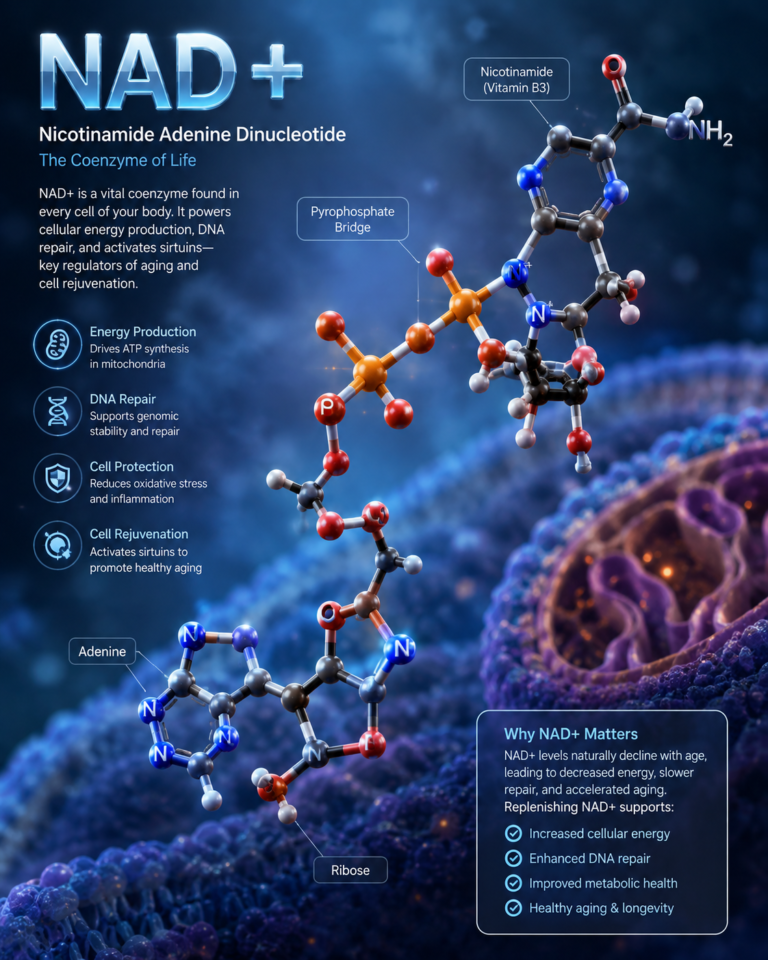
This is not medical advice. NMN (nicotinamide mononucleotide) is a building block your body uses to make NAD+, a molecule cells need for energy, and NAD+ tends to fall as we age. Here is what the sleep research actually shows, in plain English, and how to try it sensibly if you want to.
The 3pm test: try this before you read on
Tomorrow, set an alarm for 3pm. When it goes off, rate how sleepy you feel from 1 (wide awake) to 5 (could nap right now). Do it for a week. That simple score is close to what researchers measured in the NMN sleep trial, and it gives you your own starting point. If you want a fuller picture, our free energy check tool takes about two minutes and shows where your energy dips may be coming from.
What the NMN sleep trial found
The study was run at the University of Tsukuba in Japan and published in the journal Nutrients in 2022 (Kim and colleagues). It was randomised, double-blind and placebo-controlled, which is the gold standard for this kind of research.
- Who: 108 adults aged 65 and over who lived independently.
- What: 250 mg of NMN or a look-alike placebo, once a day, for 12 weeks.
- The twist: half took it in the morning (waking up to noon) and half in the evening (6pm to bedtime).
- Measured: sleep quality (the Pittsburgh Sleep Quality Index), daytime fatigue and drowsiness, grip strength, walking speed and a five-times chair-rise test.
The good news
The evening NMN group did best. They had the largest improvement in daytime drowsiness and in the chair-rise test, a measure of leg strength that matters a lot after 60. Their sleep-quality scores also showed the biggest changes of the four groups, including how long it took to fall asleep and how well they felt during the day. No adverse reactions were reported.
The honest small print
The placebo groups improved too, which is common in sleep studies. For overall sleep quality, the difference between NMN and placebo was not statistically clear, so the trial does not prove NMN improves sleep. NAD+ levels were not measured, diet was not controlled, and it was one study of about 27 people per group. The researchers themselves said the sleep effect needs checking with objective measures such as sleep trackers.
So the fair summary of this trial is: NMN taken in the evening was linked with less daytime sleepiness and better leg strength in older adults, and a hopeful but unproven signal for sleep quality. Add the second trial below and you have more human sleep data than most sleep supplements can show, and it is a reasonable thing to try if your doctor agrees.
A second trial points the same way
A newer study, published in GeroScience in 2024 (Morifuji and colleagues), gave 60 adults aged 65 to 75 either 250 mg of NMN or a placebo every day for 12 weeks. Blood NAD+ rose in the NMN group. Their sleep-quality scores improved compared with placebo, including how well they functioned during the day, and their usual walking speed held steady while the placebo group slowed slightly. The main test the study was designed around, a stepping test, did not differ between the groups, and the people in it were not chosen for sleep problems, so the sleep changes were small. Still, two separate trials showing a sleep signal in the same direction is a genuinely encouraging start.
Myth or fact: “NMN keeps you awake at night”
You will see this claim online, usually from people who assume an “energy” supplement must be stimulating. In the only trial that tested timing, the evening group did not report worse sleep. Their scores moved in the right direction. That said, everyone is different. If you feel wired after taking it, simply move it to the morning.

How to try NMN for sleep and energy, sensibly
- Talk to your doctor or pharmacist first, especially if you take regular medicines, sleeping tablets or antidepressants (people on these were excluded from the trial), or are being treated for cancer.
- Start with the studied dose. The sleep trial used 250 mg a day. More is not proven to be better.
- Try the evening window. Take it with your evening meal, and switch to morning if it feels stimulating.
- Keep your 3pm score. Track it for two weeks before and four to eight weeks after starting. If nothing changes, you have your answer.
- Choose a tested product. Quality varies a lot between brands.
If you decide to try it, our best NMN supplement comparison puts four brands side by side on testing, dose and cost per day, and our guide on how to choose an NMN supplement covers the six label checks that matter most.
The sleep basics still come first
A capsule works on top of your habits, not instead of them. Morning daylight, a steady wake-up time, a cooler bedroom, less alcohol in the evening and a short walk after dinner all have solid research behind them. Our guide to how much sleep adults over 50 need covers these, and our wider look at NMN for energy, muscle and sleep rounds up the other human trials.
If you would like the simple daily habits that come before any supplement, our free guide to living 7 years longer is a gentle place to start.
This article draws on Kim M. and colleagues, Nutrients, 2022 (12-week NMN timing trial in adults 65+), and Morifuji Y. and colleagues, GeroScience, 2024 (12-week NMN trial on NAD+, walking speed and sleep quality in older adults). The opening lines reflect common public comments about tiredness after 50 and are shared anonymously.
Disclaimer: TurnBackClock.com shares educational information for adults 50+. Nothing here is medical advice, diagnosis or a treatment plan. Supplements are not reviewed for safety or effect by regulators before they are sold. If you have ongoing poor sleep, loud snoring or daytime sleepiness, see your doctor, as these can have treatable causes.
Get the Free Guide
Instantly receive Your Guide to Living 7 Years Longer — practical habits, evidence notes, and clear next steps. Soft mentions of our free longevity tools are inside. No miracle promises.
We’ll never share your email. You can unsubscribe anytime.
Where to compare the NMN brands we reviewed
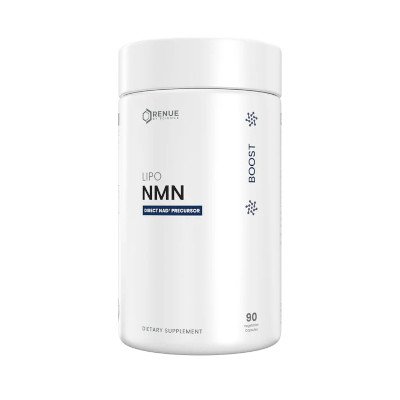
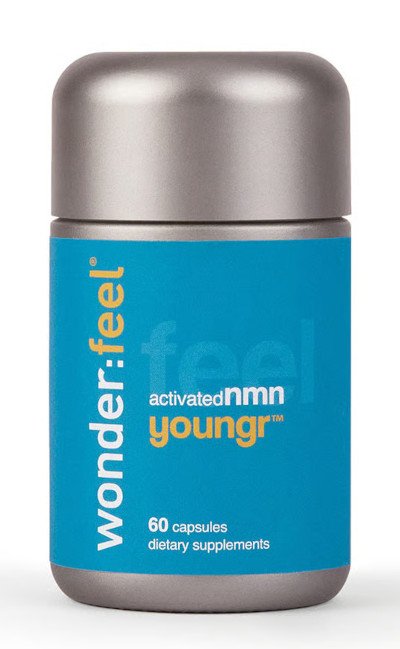
No brand has been tested specifically for sleep. If you and your doctor decide to try NMN, these are the four products we have reviewed, compared on dose, testing and price per day.
Disclosure: Some links above are affiliate links. If you purchase through them, Turn Back Clock may earn a commission at no additional cost to you.
Frequently asked questions
Does NMN help you sleep better?
Possibly, but it is not proven. In a 12-week trial of 108 adults aged 65 and over, people who took 250 mg of NMN in the evening showed the biggest improvements in sleep-quality scores and daytime drowsiness. However, the difference compared with placebo was not statistically clear for overall sleep quality, and the placebo group improved too. A second 12-week trial in 60 adults aged 65 to 75 (2024) found better sleep-quality scores with NMN than with placebo, though the changes were small. Two encouraging signals, not proof.
Should I take NMN in the morning or at night?
The only human trial that tested timing found the evening group (from 6pm to bedtime) had the largest changes in drowsiness and a chair-rise test. That is one small study, so it is a reasonable thing to try rather than a rule. If NMN feels stimulating for you, move it earlier.
Can NMN cause insomnia?
Insomnia was not reported as a side effect in the 12-week trial, and no adverse reactions were reported. Some people say they feel more alert after taking it, so if your sleep gets worse, take it earlier in the day or stop and talk to your doctor.
How much NMN was used in the sleep study?
250 mg once a day for 12 weeks. Other small human trials have used roughly 250 to 900 mg a day. Long-term safety is not known, so start low and check with your doctor first.
What is the best NMN supplement for sleep?
No brand has been tested specifically for sleep. Choose on the basics instead: independent lab testing, a dose in the studied range, a fair cost per day and calm claims. Our four-brand NMN comparison sets these side by side.