“Healthy Aging Supplement Fails in Large PD Trial.” That was Medscape’s headline this week, and it has been echoed by at least eight news outlets in under a month. If you take nicotinamide riboside (NR) or NMN to support your energy as you get older, the NR Parkinson’s trial results may have given you a jolt. What did the study actually find, who was it about, and should it change anything you do? Here is a calm, plain-English walk through it.

What the NR Parkinson’s trial tested
The study is called NOPARK. It was a large, carefully run phase 3 trial, published in the medical journal JAMA in early October 2026. It followed 410 people with early Parkinson’s disease, with an average age of 66. Half took 500 mg of NR twice a day, and half took a dummy pill that looked the same. Nobody knew which they were getting, and everyone was followed for 52 weeks.
The idea behind it was reasonable. NR is a building block for NAD, a molecule our cells use to make energy, and NAD levels tend to fall with age. Earlier, smaller studies had raised hopes that topping it up might slow Parkinson’s. This was the big test meant to settle the question.
What the researchers found
- No benefit. Over the year, symptom scores in the NR group worsened by 2.45 points, while the placebo group stayed essentially the same.
- A small difference. After adjusting the numbers, the gap was 2.72 points in favour of the placebo. The researchers called this “modest and below the commonly used threshold for a clinically important difference.” In other words, NR did not help, but the difference was not large enough to say it clearly made people worse.
- Similar side effects. Overall side effects were about the same in both groups. One independent summary noted that high blood pressure was reported in 9.8% of the NR group compared with 6.4% on placebo.
- No change in the brain. The same summary noted that NAD levels in the brain were no different between the groups after a year.
The researchers’ advice was clear: they “do not recommend that people with Parkinson’s disease use NR or other NAD-boosting supplements outside controlled clinical studies.”
What this study does not tell you
Headlines can make a result sound bigger than it is, so it helps to be just as clear about the limits.
- It was not about healthy people. Everyone in the trial already had Parkinson’s. It cannot tell us what NR does, good or bad, for a healthy 60- or 70-year-old.
- NMN was not tested. NMN and NR are related, but they are different products. This study gives no direct answer about NMN.
- It does not suggest stopping is risky. One summary of the results said plainly that nothing in the trial suggests stopping is a problem. Equally, there is no reason to panic if you have been taking it.
The bigger lesson is one worth keeping: a supplement can raise a number in a blood test and still not make people feel or function better. That is why we always look for human results that matter in daily life, not just changes in a lab marker.
If you take NR or NMN: a sensible next step
- If you have Parkinson’s, follow the researchers’ advice and talk to your neurologist before taking any NAD booster. Never change your Parkinson’s medicines on your own.
- If you are healthy and already take one, you do not need to make a snap decision. Bring the bottle to your next check-up and ask your doctor or pharmacist whether it still makes sense for you, especially if you have high blood pressure.
- If you are thinking of starting, go in with modest expectations and ask about interactions with your other medicines first.
- Keep the basics first. Regular walking and strength work, good sleep and enough protein have far stronger evidence for healthy ageing than any capsule.
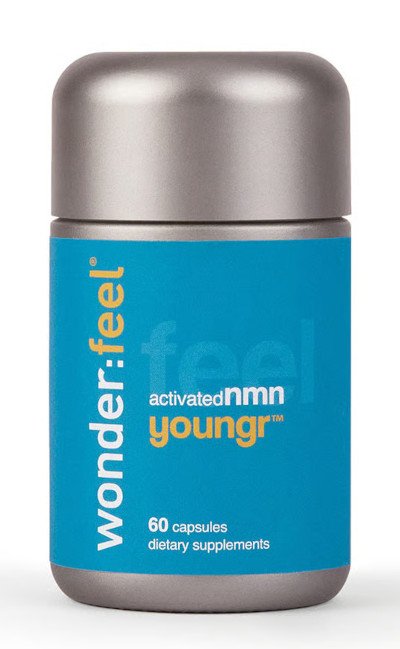
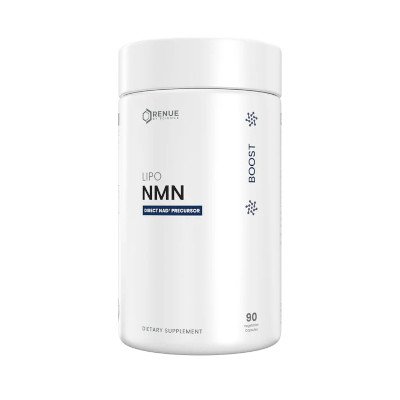
If you still decide, with your doctor, that an NAD booster is worth trying for general healthy ageing, quality really does vary between brands. Our side-by-side comparison of four NMN brands looks at purity testing, dose and price so you can choose carefully rather than on hype.
And if you would rather put your energy into the proven basics, our free healthy ageing guide gathers simple daily habits for staying strong, sharp and independent after 50.
This summary draws on the published NOPARK results as reported by EurekAlert, Medscape, MedPage Today, Parkinson’s research charities and sciencebased.news.
This article is for general information only and is not medical advice. Please speak with your doctor or pharmacist about your own health, especially before starting, stopping or changing any supplement or medicine.
Get the Free Guide
Instantly receive Your Guide to Living 7 Years Longer — practical habits, evidence notes, and clear next steps. Soft mentions of our free longevity tools are inside. No miracle promises.
We’ll never share your email. You can unsubscribe anytime.
Frequently asked questions
Did nicotinamide riboside help Parkinson’s disease in the NOPARK trial?
No. In the NOPARK trial, 410 people with early Parkinson’s took NR 500 mg twice a day or a placebo for a year. Symptoms worsened slightly more in the NR group, by a small amount that the researchers described as below the threshold usually seen as clinically important. Side effects were similar in both groups.
Should I stop taking NR or NMN because of this trial?
Not because of a headline alone. The trial tested people who already had Parkinson’s, not healthy adults, and it did not test NMN. One summary of the results noted that nothing in the trial suggests stopping is risky. If you take an NAD booster, bring the bottle to your next appointment and decide together with your doctor or pharmacist.
I have Parkinson’s. Can I take an NAD booster?
The researchers said they do not recommend that people with Parkinson’s use NR or other NAD-boosting supplements outside controlled clinical studies. Please talk to your neurologist before taking one, and do not change your Parkinson’s medicines on your own.
Does this trial mean NMN does not work?
It does not answer that question, because NMN was not tested. It is a useful reminder, though, that raising a blood marker such as NAD is not the same as feeling or functioning better. For healthy ageing, the habits with the strongest evidence are still regular movement, good sleep and enough protein.