Short answer: in the human trials published so far, NMN (nicotinamide mononucleotide) has generally been well tolerated at doses of about 250 mg a day for up to 12 weeks, and a few short studies used higher doses (up to about 1,250 mg a day for four weeks) without serious side effects. That is encouraging, but it is not the same as proven long-term safety. The trials are small, short, mostly in fairly healthy adults, and several were run or funded by companies that make NMN. People over 50 who take regular medicines or live with a chronic condition were largely left out. If you are thinking about NMN, early research suggests it is a reasonable question to ask — and the right place to ask it is with your doctor.

What “safe” means in a trial — and what it does not
When a supplement label or advert says a product is “clinically proven safe,” it usually points back to a short study that watched for side effects. In trial language, “well tolerated” means something narrower than most of us assume:
- A defined group of people. Usually healthy volunteers, often screened to exclude anyone with significant illness or many prescriptions.
- A defined dose and time. Most NMN trials last between two and twelve weeks. Nothing in them tells us what happens after years of daily use.
- A defined list of checks. Researchers track reported side effects plus routine blood and urine tests. Rare or slow-developing problems are unlikely to show up in a study of a few dozen people.
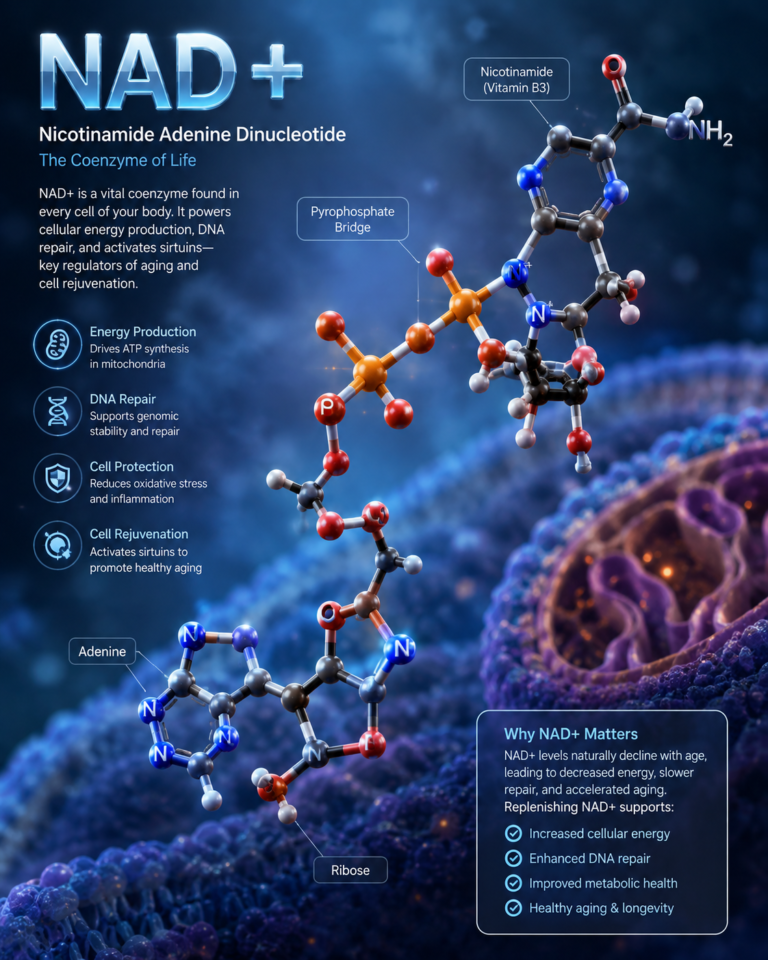
So “no serious adverse events in 30 healthy adults over 12 weeks” is genuinely useful information. It is just not a promise that NMN suits everyone over 50, at any dose, indefinitely. If you are new to the biology, our explainer on what NAD+ is and why it declines with age covers why researchers became interested in NMN in the first place.
Get the Free Guide
Instantly receive Your Guide to Living 7 Years Longer — practical habits, evidence notes, and clear next steps. No miracle promises.
We’ll never share your email. You can unsubscribe anytime.
Doses used in the key human trials
Here is what published trials actually gave participants. Notice how often the dose is 250 mg a day, and how short every study is:
- 250 mg/day for 10 weeks — postmenopausal women with prediabetes who were overweight or obese (Yoshino et al., Science 2021, PubMed).
- 250 mg/day for 12 weeks — 60 older adults in Japan (Morifuji et al., Geroscience 2024, PubMed).
- 125 mg twice daily (250 mg/day) for 12 weeks — 36 healthy middle-aged adults (Katayoshi et al., Scientific Reports 2023, PubMed).
- 1,250 mg/day for up to 4 weeks — a dedicated safety study in 31 healthy adults aged 20 to 65 (Fukamizu et al., Scientific Reports 2022, PubMed).
- 250–2,000 mg/day for 14 days to 12 weeks — the range across eight randomized trials pooled in a 2024 meta-analysis of 342 middle-aged and older adults (Chen et al., Current Diabetes Reports 2024, PubMed).
Two things stand out. First, many supplements on shop shelves sell doses well above 250 mg, sometimes 500 mg to 1,000 mg or more per serving, while the longest human data sit mainly at 250 mg. Second, no trial here ran longer than about three months. “More” has not been shown to be better, and higher doses have the thinnest safety record.

What the trials reported on side effects and tolerability
Older adults, 12 weeks (Morifuji 2024). In 60 older adults taking 250 mg a day, the researchers reported that no adverse effects related to NMN were observed. Blood NAD+ rose, usual walking pace and sleep questionnaire scores looked better on secondary measures, and the main stepping-test outcome did not differ from placebo. The authors work for the company that made the product, which is worth knowing when you read the results.
Healthy middle-aged adults, 12 weeks (Katayoshi 2023). At 250 mg a day split into two doses, NMN was reported as well tolerated with no adverse events. A measure of arterial stiffness trended in a favorable direction but was not significantly different from placebo — so this is not evidence that NMN protects blood vessels.
Higher dose, 4 weeks (Fukamizu 2022). At 1,250 mg a day, blood, urine, and body-composition tests stayed within normal variation and no severe adverse events occurred. This was a short study of 31 people, with authors employed by an NMN supplier.
Women with prediabetes, 10 weeks (Yoshino 2021). This carefully run trial is better known for its metabolic finding — improved muscle insulin sensitivity compared with placebo — than for safety data. It was small, included only women with a specific metabolic profile, and some authors hold NMN-related patents or licensing interests.
The bigger picture (Song 2023). A review of human NMN trials noted that most of the evidence behind NMN’s popularity still comes from cell and animal studies, that human safety was a genuine open question, and that many human trials were still underway (Song et al., Advances in Nutrition 2023, PubMed). In other words: human safety data are growing and so far reassuring for short-term use, but the healthy-aging claims remain early.
It is also worth balancing safety with benefit. The 2024 meta-analysis found no significant overall improvement in fasting glucose, insulin, HbA1c, insulin resistance, or cholesterol across short trials. For a fuller look at the possible upsides, see our evidence review: does NMN help energy, muscle, sleep, and healthy aging after 50?
Study limits to keep in mind
- Short: nearly all trials last 12 weeks or less.
- Small: most enrolled between 30 and 80 people.
- Healthy volunteers: people with several conditions or medicines — common after 50 — were mostly excluded.
- Industry involvement: several trials were conducted or funded by NMN manufacturers.
- Product quality varies: supplements are not regulated like prescription medicines, so what is in a capsule may not match the trial product or even the label.
Who should talk with a clinician first
Because the trials largely skipped people with complex health pictures, it makes sense to check with your doctor or pharmacist before trying NMN if you:
- Take prescription medicines, especially for blood sugar, blood pressure, blood thinning, or cancer care
- Have liver or kidney disease, diabetes, or another metabolic condition
- Have a current or past cancer diagnosis, or are under active cancer treatment
- Are scheduled for surgery or have several chronic conditions
- Already take other NAD+ precursors such as nicotinamide riboside (NR) or niacin — stacking products adds up
- Have unexplained fatigue, weight change, or sleep problems that deserve a proper check first
Bring the actual bottle or label to the appointment. Your clinician can look at the dose, your medicines, and your recent blood tests together, which no article can do. If you are weighing NMN against NR, our comparison of NMN vs NR and which NAD+ booster is worth it lays out the human evidence for each.
Habits still come first
Whatever you decide about NMN, the strongest evidence for feeling and functioning better after 50 still points to everyday habits:
- Sleep: a steady wake time and a wind-down routine most nights.
- Protein: a palm-sized portion at each meal to help protect muscle.
- Strength: two or three short sessions a week, even with body weight or a chair.
- Walking: regular brisk walks, ideally outdoors in daylight.

If tiredness is what drew you to NMN in the first place, start with our practical guide on how to improve energy after 50. A supplement can only ever sit on top of these foundations, never replace them.
If you and your doctor decide to try NMN
- Stay close to studied doses (250 mg a day is the most studied) rather than jumping to the highest serving on the label.
- Choose a product with clear labeling and independent third-party testing.
- Note how you feel before you start, then reassess after a set period — for example 8 to 12 weeks — instead of continuing on autopilot.
- Stop and check in with your clinician if you notice anything new or unusual.
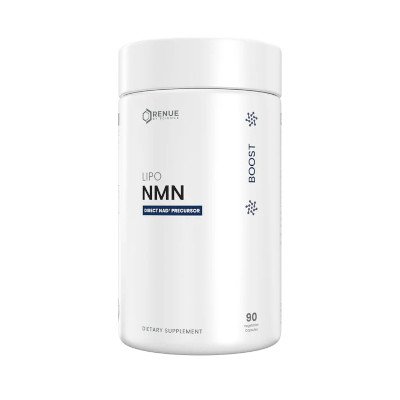
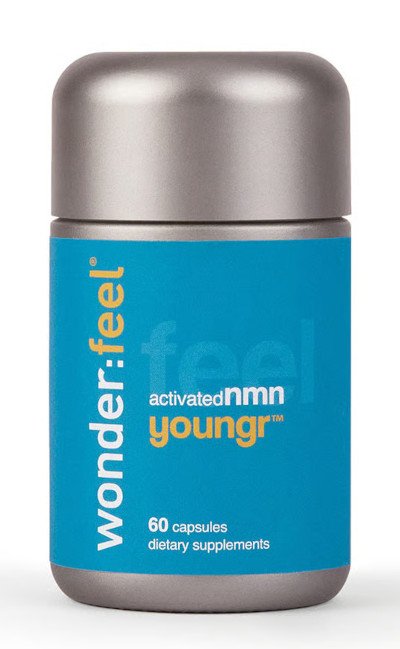
If you have reached that stage and want to see how products differ on dose, form, and testing, our side-by-side review may help: Best NMN supplements compared for 2026 — four brands reviewed side by side.
Medical disclaimer: This article is for general education only and is not personal medical advice, diagnosis, or treatment. Summaries of NMN research are drawn from published human trials and reviews, which are short and limited, and may not apply to you. Talk with a qualified clinician or pharmacist before starting NMN or any supplement, or changing your medicines, diet, or exercise routine, especially if you have a health condition or take prescription medicines.