Short answer: forgetting words after 60 now and then is common, and for most people it’s a normal part of getting older. The word is right there on the tip of your tongue, you can picture what you mean, and then it turns up a few seconds later. It’s worth seeing a doctor if the lapses get noticeably worse in a short time, other thinking changes show up, or everyday life starts to feel harder to manage. This guide is for general education only; it isn’t a diagnosis or medical advice.

What these word-finding moments usually feel like
Most people describe it the same way. You know exactly what you mean, you can see it in your mind, but the name just won’t come. One person blanks on “safety pin” for half a minute. Another reaches for “robot,” says “machine person,” and gets there a moment later. Names of acquaintances and places are the usual culprits.
Researchers call these tip-of-the-tongue (TOT) states. Diary and lab studies show they turn up more often as we age, even though that strong “I know this” feeling stays put. One classic study compared young adults with people aged 60–74 and 80–92. The older groups had TOTs more often and took longer to resolve them, yet given enough time, every age group recovered nearly all the missing words (Heine et al., 1999, PubMed). A broader review found these moments are almost universal, often involve proper names, and become more frequent later in life (Brown, 1991, PubMed). Later work suggests the snag lies in pulling up the sound of a word, not in losing its meaning (Ouyang et al., 2020, PubMed).
In other words, slowly hunting for a word that eventually shows up is quite different from forgetting whole conversations or how to do familiar tasks. For the bigger picture on keeping your mind in good shape, see our guide on how to improve brain health after 50.

Get the Free Guide
Instantly receive Your Guide to Living 7 Years Longer — practical habits, evidence notes, and clear next steps. No miracle promises.
We’ll never share your email. You can unsubscribe anytime.
When word-finding is usually reassuring
- It happens now and then, not several times in every conversation.
- The word comes back within seconds or minutes, or later that day.
- You know what you meant and can describe it (“the little metal clip for cloth”) even when the name won’t come.
- Daily life still works: bills, cooking, familiar routes, and conversations all stay manageable.
- Family hasn’t noticed a big change in how you talk or keep track of plans.
None of this “proves” everything will be fine forever. It simply matches what many healthy older adults report, and it makes a helpful contrast with the warning signs below.
When forgetting words after 60 is worth a check
Mention it to your doctor or clinic if you notice any of the following, especially if more than one applies or things are changing quickly:
- It’s getting worse over weeks or a few months, rather than staying mild and steady.
- Wrong or made-up words for familiar objects keep slipping in, rather than just a short pause before the right one.
- Losing the thread of conversations, asking the same question again, or family saying your speech has changed.
- Other new changes come along with it: getting lost in familiar places, struggling with routine tasks, or big shifts in mood or judgment.
- The trouble starts to interfere with work, driving decisions, medicines, or living on your own.
Getting checked doesn’t mean expecting the worst. Plenty of treatable issues can cloud your thinking and make words harder to reach. Major clinics suggest ruling out hearing problems, poor sleep, medication side effects, low B12, thyroid imbalance, and mood changes. Our article on hearing loss and memory after 50 explains why an untreated hearing change can look a lot like a memory problem.
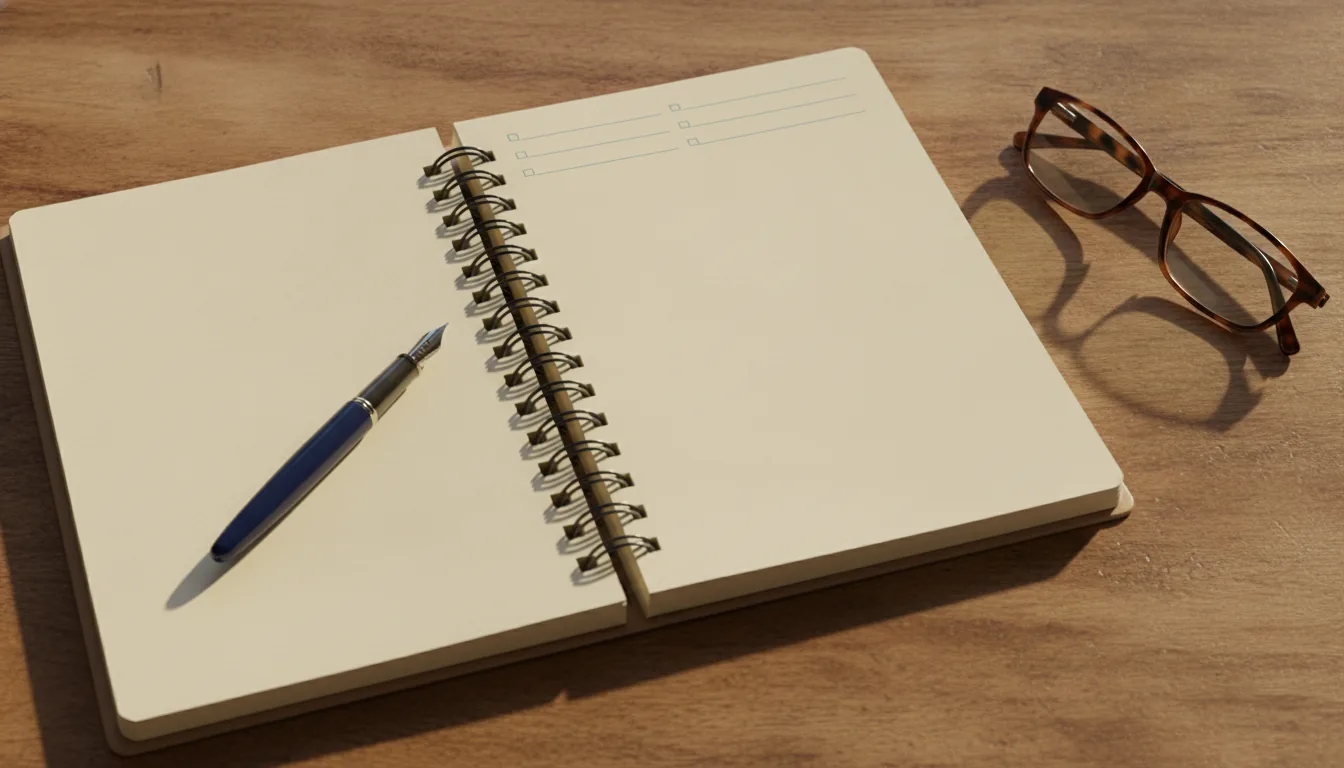
A simple word-lapse journal (one week)
Not sure whether to book an appointment? A short written record helps you and your clinician see the pattern clearly:
- Date and time of the lapse.
- What you were trying to say (name, object, place).
- How long until it came back (seconds, minutes, never that day).
- Anything else going on that day: poor sleep, a new medicine, a loud room, stress, skipped meals.
- Whether anyone else noticed a change in your speech that week.
After seven days, look back. Are the lapses occasional and clearing up on their own, or frequent, getting worse, and showing up alongside other changes? Take the page with you to your appointment. It’s far easier than trying to recall examples on the spot.
Habits that support word recall (without hype)
No app or supplement has been shown to “fix” tip-of-the-tongue moments. What does have solid backing for brain health after 50 is the unglamorous but powerful list: regular movement, steady sleep, hearing care, time spent talking with others, learning new things, and keeping blood pressure and blood sugar in check with your clinician’s help. A few practical next steps:
- Try a few minutes of gentle recall practice in our free Memory Gym 50+ or the whimsical memory game.
- Let Memory Companion keep track of appointments and reminders, so there’s less to hold in your head each day.
- Browse the Memory Hub for tools and guides in one place.
- Read how to stay mentally sharp into your 80s for habit ideas that go beyond word games.

Questions worth asking your clinician
- Could hearing, sleep apnea, thyroid, B12, vitamin D, or my medicines be making it harder to find words?
- Would a brief cognitive screen be useful as a baseline, even if this feels mild?
- When would you refer me to audiology, neurology, or a memory clinic?
- What should my family keep an eye on between now and the next visit?
For a broader look at the daily habits behind healthy aging, try our free Longevity Score Calculator and Biological Age Calculator. Both give lifestyle estimates, not medical diagnoses.
FAQ: forgetting words after 60
Is tip-of-the-tongue the same as dementia?
No. Tip-of-the-tongue means you know the word and usually retrieve it later. Conditions that affect thinking more broadly typically involve more than occasional word delays — for example trouble following conversations, repeating questions, or losing skills you used to manage easily. Only a clinician can sort those apart.
Why are names the hardest?
Proper names are arbitrary labels. Studies find they trigger tip-of-the-tongue states especially often at every age, and more often later in life. That pattern alone is not a diagnosis.
Should I start a brain supplement for word-finding?
Not based on tip-of-the-tongue moments alone. Discuss any supplement with your doctor or pharmacist, especially if you take other medicines. Habits, hearing, sleep, and a proper check for treatable causes come first.
Disclaimer: TurnBackClock.com shares educational information for adults 50+. Nothing here is medical advice, a diagnosis, or a treatment plan. Talk with a qualified clinician about personal symptoms and decisions.