Published by Turn Back Clock | Category: Longevity Supplements
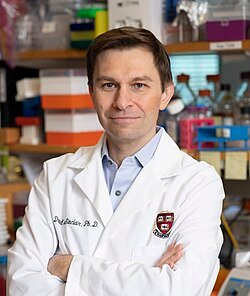
If you’ve spent any time in longevity circles, you’ve heard the name. NAD+. It appears on supplement bottles, in podcast interviews with scientists, and increasingly in mainstream health coverage. David Sinclair of Harvard calls it one of the most important molecules in the body. Researchers at the University of Oslo recently published a sweeping review in Nature Aging describing it as central to how we age.
But what actually is NAD+? Why does it decline? And should you care? Here is everything you need to know — explained clearly, without the hype.
What Is NAD+?
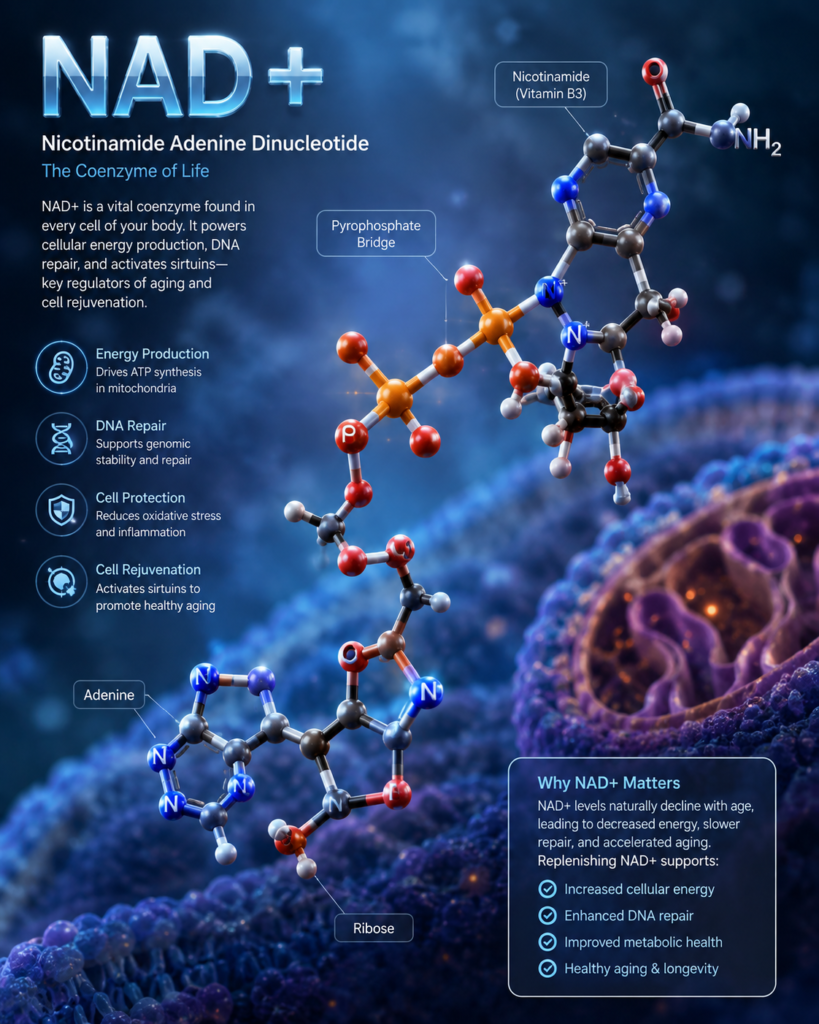
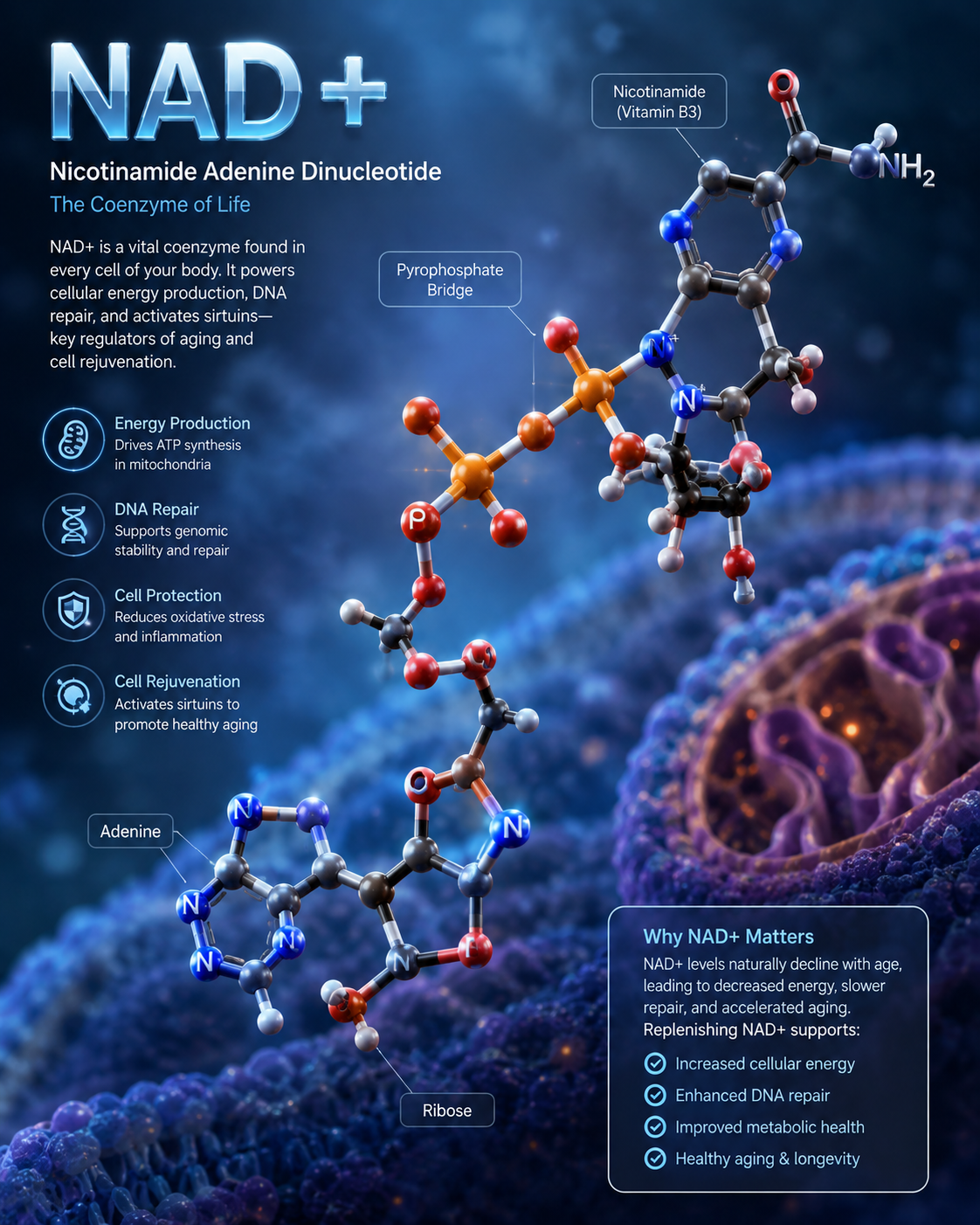
NAD+ stands for nicotinamide adenine dinucleotide. It is a coenzyme — a helper molecule — found in every single living cell in your body.
If that sounds abstract, think of it this way. Your body is essentially a biological machine running on chemical reactions. NAD+ is one of the key molecules that makes those reactions possible. Without it, your cells cannot produce energy, repair damage, or communicate properly.
More specifically, NAD+ is essential for:
- Energy production — it plays a central role in converting food into ATP, the fuel your cells run on. Every time you eat, NAD+ helps extract usable energy from that food inside your mitochondria
- DNA repair — when your DNA gets damaged (which happens thousands of times per day), NAD+ activates the repair enzymes that fix it
- Sirtuin activation — sirtuins are a family of proteins often called “longevity genes.” They regulate inflammation, stress resistance, and cellular survival — and they are completely dependent on NAD+ to function
- Circadian rhythm regulation — NAD+ helps synchronise your body clock, which governs sleep, metabolism, hormones, and dozens of other biological processes
- Inflammation control — through its role in immune signalling, NAD+ helps regulate the body’s inflammatory response
In short, NAD+ is not doing one thing. It is involved in hundreds of biological processes simultaneously. It is, as researchers often describe it, a master regulator of cellular health.
Why Does NAD+ Decline With Age?
Here is the uncomfortable part. NAD+ is a vital coenzyme that declines with age in humans. The decline is not subtle. Research suggests that by the time you reach your 50s, your NAD+ levels may be roughly half what they were in your 20s. By your 60s, they may be lower still.
Studies have shown a decrease with aging in human skin, liver, and brain, though the decline is not entirely uniform across all tissues. Several mechanisms drive this:
1. Increased Consumption
As you age, DNA damage accumulates faster. The enzymes responsible for repairing that damage — particularly a family called PARPs — consume enormous quantities of NAD+ to do their work. The more damage there is, the more NAD+ gets used up in repair, leaving less available for everything else.
2. Declining Production
Your body produces NAD+ through several biochemical pathways. With age, the efficiency of these pathways decreases. Specifically, an enzyme called NAMPT — the rate-limiting step in the most important NAD+ recycling pathway — becomes less active over time.
3. Rising CD38 Activity
CD38 is an enzyme that degrades NAD+. Research has shown that CD38 activity increases significantly with age, partly driven by chronic low-grade inflammation (sometimes called “inflammaging”). More CD38 means faster NAD+ breakdown — a double hit alongside declining production.
4. Mitochondrial Dysfunction
NAD+ and mitochondria are deeply intertwined. As mitochondria become less efficient with age, they both consume more NAD+ and produce less of the cellular environment that supports NAD+ recycling. It becomes a self-reinforcing cycle of decline.
What Happens When NAD+ Gets Too Low?
The consequences of chronically low NAD+ map closely onto the hallmarks of aging itself:
- Fatigue and reduced energy — mitochondria cannot produce ATP efficiently without adequate NAD+
- Impaired DNA repair — damage accumulates faster than it can be fixed, accelerating cellular aging
- Increased inflammation — sirtuin activity drops, removing a key brake on inflammatory signalling
- Metabolic decline — insulin sensitivity worsens, glucose metabolism becomes less efficient
- Cognitive decline — the brain is particularly vulnerable to NAD+ depletion; NAD+ decline has been linked to neurodegeneration
A global team of leading scientists published a new expert review in Nature Aging noting that NAD+ decline may fuel diseases like Alzheimer’s and Parkinson’s, and that researchers are exploring ways to boost NAD+ levels with early studies hinting at improvements in memory, metabolism, and physical function.
How Do You Boost NAD+?
Since you cannot simply swallow NAD+ directly and have it reach your cells intact — it does not survive digestion well — researchers have focused on NAD+ precursors: compounds that your body converts into NAD+ after absorption. The two most studied are:
NMN (Nicotinamide Mononucleotide)
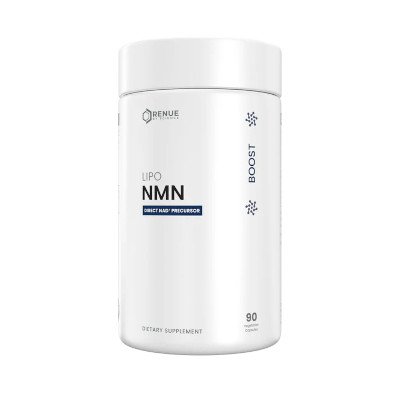
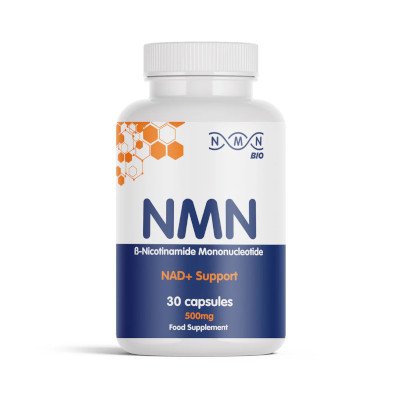
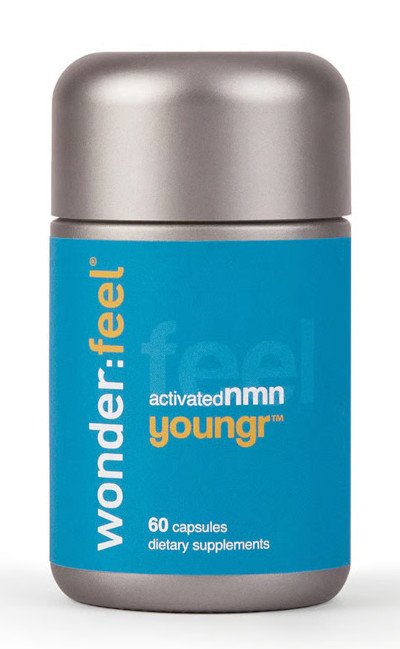
NMN is a naturally occurring compound and direct precursor to NAD+. NMN supplementation raises NAD+ levels, which support cellular energy metabolism, DNA repair, and overall mitochondrial function. Mouse studies show impressive results, and a 2023 human trial demonstrated that daily NMN raised NAD+ concentrations in blood and was well-tolerated without serious side effects. A 2026 randomised controlled trial found that 1,200mg per day of NMN reduced inflammatory signals after intense exercise and was associated with rapid increases in muscle mitochondrial activity.
NR (Nicotinamide Riboside)
NR is another NAD+ precursor that follows a slightly different pathway in the body. It is the active ingredient in Tru Niagen, one of the most clinically studied supplements in this space. Multiple human trials have confirmed NR raises blood NAD+ levels.
Other Ways to Support NAD+ Levels
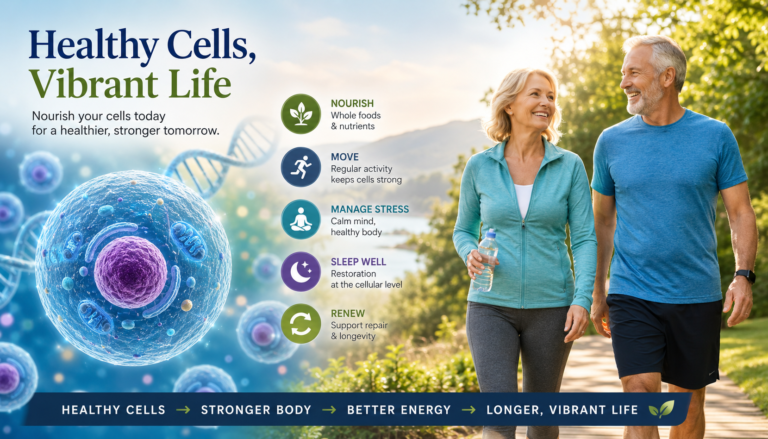
Supplementation is not the only lever. Several lifestyle factors also influence NAD+ production and conservation:
- Exercise — particularly high-intensity interval training and resistance training, both of which stimulate NAMPT activity and NAD+ production
- Fasting and caloric restriction — activate NAD+-dependent sirtuins and upregulate the salvage pathway
- Reducing alcohol — alcohol metabolism consumes significant NAD+, competing with other cellular needs
- Good sleep — NAD+ metabolism is closely tied to circadian rhythm; consistent sleep supports healthy cycling of NAD+ levels
- Reducing chronic inflammation — since inflammation drives CD38 activity, an anti-inflammatory diet and lifestyle indirectly protects NAD+ levels
What Does the Research Actually Say? An Honest Assessment
It is important to be clear-eyed here. The science on NAD+ precursors is genuinely promising — but it is not settled.
NAD+ precursors can raise NAD+ levels in blood, yet meaningful effects on aging-related outcomes in humans remain unproven. The trials done in humans have mostly studied NR and NMN. Though mostly small, these studies have yielded some promising data for specific populations — for example in women with prediabetes, newly-diagnosed patients with Parkinson’s disease, or those with peripheral artery disease.
The honest summary: we know NAD+ is critical, we know it declines, we know precursors raise blood levels, and the early human data on specific outcomes is encouraging. What we do not yet have is large-scale, long-duration human trial data confirming that raising NAD+ in healthy middle-aged adults extends lifespan or prevents disease. Those trials are underway.
For many people in the longevity community, the existing evidence — combined with the strong safety profile of NMN and NR — makes supplementation a reasonable personal decision while the science matures. That is a judgement call each individual must make with their own doctor.
Key Takeaways
- NAD+ is a master coenzyme involved in energy production, DNA repair, sirtuin activation, and inflammation control
- Levels drop by roughly 50% between your 20s and 50s, driven by increased consumption, declining production, and rising CD38 enzyme activity
- Low NAD+ is associated with fatigue, metabolic decline, impaired DNA repair, and increased neurodegeneration risk
- NMN and NR are the two best-studied precursors that raise NAD+ levels in humans — both appear safe and effective at raising blood NAD+
- Exercise, fasting, quality sleep, and reducing alcohol all support NAD+ production naturally
- The human trial evidence is promising but still maturing — supplement decisions should be made thoughtfully and ideally with medical input
References
1. Zhang J, et al. NAD+ metabolism and its roles in cellular processes during ageing. Nature Aging / University of Oslo expert review, 2026. https://www.sciencedaily.com/releases/2026/03/260324024253.htm
2. Renue By Science. Anti-inflammatory effects of NMN in human skeletal muscle after BFR-exercise. Randomised controlled trial, February 2026. https://renuebyscience.com/pages/a-current-list-of-completed-nmn-human-trials
3. Zabala Gutierrez I et al. Use of the Dietary Supplements NR and NMN to Increase NAD+, Impact Mitochondrial Function, and Improve Metabolic Health. Clinical Bioenergetics, University of Memphis, November 2025. https://www.mdpi.com/3042-5158/1/2/9
4. Medical Xpress. Can supplements containing NMN, NAD+ and resveratrol really slow aging? May 2026. https://medicalxpress.com/news/2026-05-supplements-nmn-nad-resveratrol-aging.html
© 2026 Turn Back Clock · turnbackclock.com · For informational purposes only. Not medical advice.