Short answer: early research suggests nicotinamide mononucleotide (NMN) can raise blood NAD+ and may support a few measurable outcomes in older adults — such as muscle insulin sensitivity in one carefully designed trial, and walking pace plus sleep scores in another — but results are mixed, sample sizes are modest, and a recent meta-analysis found no clear overall benefit for glucose or lipids across short trials. NMN is not a stimulant and not a substitute for sleep, protein, strength work, or walking. If you are curious about it after 50, treat the evidence as promising but incomplete, and talk with your doctor before starting any NAD+-related supplement.

What NMN is (and what it is not)
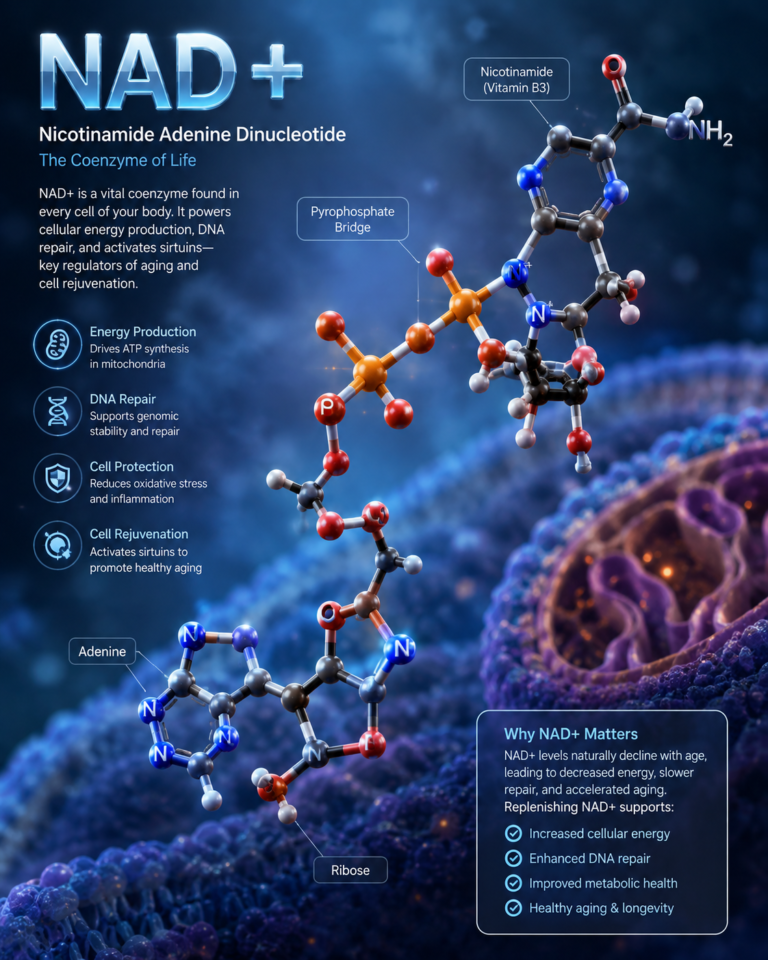
NMN is a molecule your cells can use to help make NAD+ (nicotinamide adenine dinucleotide), a coenzyme involved in energy metabolism and many cellular repair pathways. Supplement makers often market NMN as an “energy” or “longevity” product. The more careful framing is simpler: NMN is a precursor on the NAD+ pathway that researchers have tested in short-to-medium human trials.
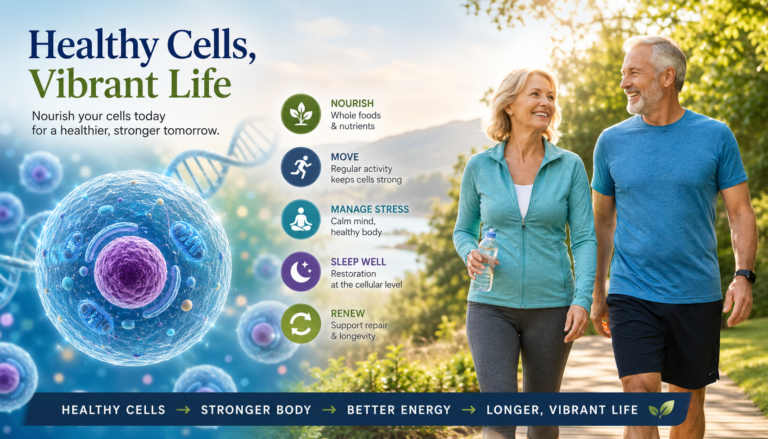
What NMN is not: it is not caffeine, not a hormone, and not a replacement for the basics that move healthy aging after 50 — consistent sleep, enough protein, progressive strength training, and regular walking. If those foundations are shaky, a bottle of NMN will not fix the gap. For broader energy habits, see our guide on how to improve energy after 50.
NAD+ and aging — a brief, cautious map
NAD+ levels tend to decline with age in many tissues, which has made NAD+ precursors a research focus. That decline is interesting biology; it is not proof that taking NMN will “turn back” cellular aging in everyday life. For a plain-language overview of NAD+ itself, read what NAD is and why it declines with age. The rest of this article sticks to what human trials of NMN have actually measured so far.
Get the Free Guide
Instantly receive Your Guide to Living 7 Years Longer — practical habits, evidence notes, and clear next steps. No miracle promises.
We’ll never share your email. You can unsubscribe anytime.
Insulin sensitivity and metabolic research (Yoshino 2021)
One of the better-known human NMN trials is a 10-week randomized, placebo-controlled study in postmenopausal women who were overweight or obese and had prediabetes. Participants took about 250 mg of NMN per day. The main finding was improved skeletal-muscle insulin sensitivity and insulin signaling on a gold-standard clamp test, compared with placebo (Yoshino et al., Science 2021, PubMed).
Limits matter here. The trial enrolled women only, lasted 10 weeks, and focused on a specific metabolic profile. Muscle NAD+ steady-state did not clearly rise in the way marketers sometimes imply. Early research suggests a metabolic benefit in that setting — it does not prove broad “metabolic rejuvenation” for every adult over 50.
Walking speed, blood NAD+, and sleep in older adults (Morifuji 2024)
A 12-week double-blind randomized trial in 60 older adults tested 250 mg of NMN daily versus placebo. Blood NAD+ and related metabolites rose with NMN. Compared with placebo at 12 weeks, the NMN group had a shorter 4-meter walking time (faster usual walking pace), and Pittsburgh Sleep Quality Index (PSQI) scores improved — including daytime dysfunction and the global score. The study’s primary stepping-test outcome was not significantly different between groups (Morifuji et al., Geroscience 2024, PubMed).
In plain language: blood NAD+ went up, walking pace and sleep questionnaires looked better on secondary measures, and the main physical-performance endpoint did not separate from placebo. That is a useful, mixed picture — not a blank check for “more energy.”

If sleep is your main concern, habits still come first. Our Q&A on how much sleep adults over 50 need and related sleep guides cover the non-supplement levers that usually matter more.

Vascular interest (Katayoshi 2023) — keep claims small
Researchers have also looked at NAD metabolism and arterial stiffness after longer-term NMN use in a randomized trial (Katayoshi et al., Scientific Reports 2023, PubMed). Vascular markers are scientifically interesting, but this is not proof that NMN “rejuvenates” blood vessels in daily life. Treat vascular findings as early signals that need replication, not as a reason to skip blood-pressure care, walking, or clinician follow-up.
What meta-analyses say about glucose and lipids (Chen 2024)
A systematic review and meta-analysis of randomized trials examined NMN’s effects on glucose and lipid markers in adults. Across short trials (doses roughly 250–2000 mg/day, durations from about two weeks to 12 weeks, mostly in people without diabetes), there was no significant overall benefit on fasting glucose, insulin, HbA1c, HOMA-IR, or common lipid measures (Chen et al., Current Diabetes Reports 2024, PubMed).
That finding is a useful counterweight to marketing. One well-run trial (like Yoshino 2021) can show a benefit in a specific population and endpoint while pooled short trials still look flat on broader metabolic labs. Honest reading of the literature means holding both facts at once.
Safety and who should talk to a clinician first
An update on NMN clinical trials concluded that human safety data are growing and that NMN has generally been well tolerated in short studies, while many broader healthy-aging claims remain early (Song et al., Advances in Nutrition 2023, PubMed). “Generally well tolerated in short trials” is not the same as “safe for everyone forever.”
For a closer look at the doses used in human trials, what they reported on side effects, and their limits, see Is NMN safe after 50? What human trials actually report.
Talk with your doctor before trying NMN if you:
- Take prescription medicines (including for blood sugar, blood pressure, or cancer care)
- Have liver, kidney, or metabolic disease, or complex chronic conditions
- Are pregnant, nursing, or planning pregnancy
- Have unexplained fatigue, weight change, or sleep problems that need evaluation first
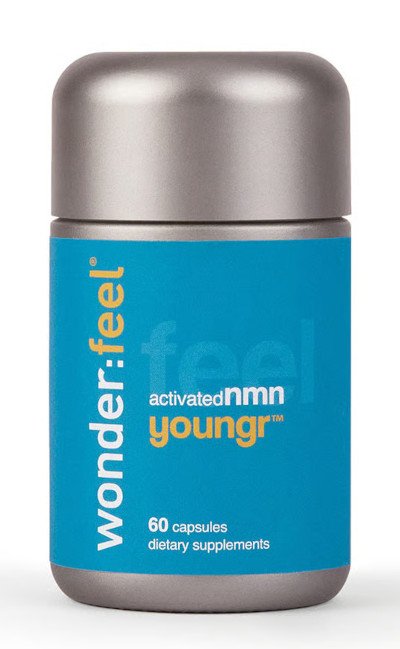
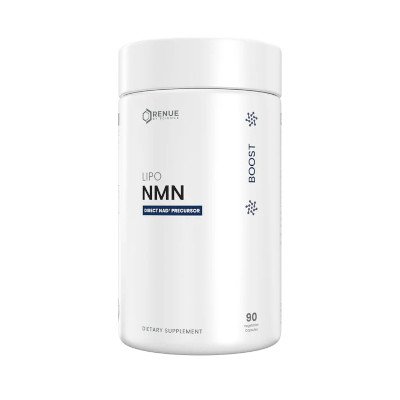
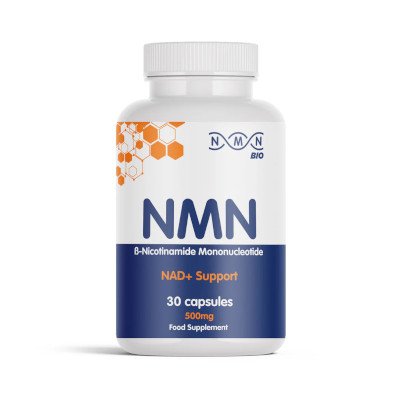
Also compare products carefully. Purity, dose labeling, and third-party testing vary. If you want a side-by-side look at brands rather than another biology explainer, see our 2026 NMN supplement comparison of four brands. For how NMN stacks up against nicotinamide riboside (NR), read NMN vs NR: which NAD+ booster is actually worth it.
A cautious way to think about NMN after 50
- Protect sleep, protein, strength training, and walking first — NMN does not replace them.
- Read trial limits: many studies are short, modest in size, and focused on specific groups.
- Expect mixed results across endpoints (some walking/sleep signals; flat pooled glucose/lipid results).
- Ask your clinician before starting, especially with medicines or chronic conditions.
- If you try NMN, pick a clearly labeled product and reassess after a defined period rather than staying on autopilot.
NMN after 50 is best framed as an optional NAD+ precursor with early, incomplete human evidence — not as a miracle energy fix. Keep expectations honest, keep your doctor in the loop, and let habits carry the heavy load.
Medical disclaimer: This article is for general education only. It is not personal medical advice, diagnosis, or treatment. Summaries of NMN research here are general guides drawn from published trials and reviews and may not suit everyone. Talk with a qualified clinician before using NMN or changing your supplement, diet, or exercise routine, especially if you have medical conditions or take medications.