Short answer: the shingles shot after 60 is first and foremost protection against shingles, a painful rash that becomes more common and more troublesome as we age. The new headlines linking it to a lower dementia risk are encouraging, but they show a pattern, not proof. And yes, the second dose can knock you flat for a day or two, so a little planning helps. Below is what the brain studies do and don’t show, what people really say the two doses feel like, and how to make it an easy week. This guide is educational only, not personal medical advice.
If you have put this jab off, you are far from alone. In one online group for women over 60, a reader admitted that everyone she knew said the vaccine “left them feeling sick and in pain,” and a nurse told her it’s “the SECOND shot that’s worse,” so she should book it on a Friday and keep the weekend free. Then someone else in the thread mentioned the dementia news, and the reply said it all: “Damn I hope that is true.” Let’s sort the hope from the hype.

Why the shingles shot after 60 is suddenly in the news
Shingles comes from the same virus as chickenpox. After a childhood bout, the virus stays quietly in the nerves for decades and can wake up later, usually when the immune system is a little slower, which is one reason it gets more likely with age. The US Centers for Disease Control and Prevention estimates that about 1 in 3 people will get shingles in their lifetime. For many older adults the rash is not the worst part: the nerve pain that can linger for months afterwards, called postherpetic neuralgia, is.
What has changed this year is the brain story. According to The Guardian in October 2026, shingles vaccine bookings at Boots “more than doubled over the past year” and Superdrug bookings rose 41%, and dozens of people told the paper that dementia was part of their reason. One woman of 50 put it simply: “I want to do everything I can to head off dementia.”
What the dementia studies actually found
The best-known evidence comes from a clever natural experiment in Wales, published in the journal Nature in 2025. When the vaccine programme started there, people born just after a cut-off date could get the jab while people born just before could not. Because the two groups were otherwise almost identical, researchers could compare them fairly. Over about seven years, those who became eligible were around 20% less likely to receive a new dementia diagnosis, and the effect looked stronger in women.
Since then, several large health-record studies of the newer two-dose vaccine, Shingrix, have pointed the same way. ScienceDaily reported one in August 2026 with a figure of about 24% lower dementia risk, and Oxford researchers have also reported links with fewer heart problems.
Here is the honest part. These are observational studies, so they show a link rather than proof that the vaccine itself protects the brain. Nobody yet knows for sure why the link exists. One idea is that fewer virus flare-ups mean less inflammation in the nerves and brain, but that is still being studied. The vaccine is approved to prevent shingles, not dementia, and no jab can promise to keep your memory sharp.
What the two doses really feel like
Shingrix is given as two doses, usually two to six months apart. Side effects are common because the vaccine provokes a strong immune response, which is also why it works so well. According to the CDC, the usual ones are a sore, red or swollen arm, tiredness, muscle aches, headache, shivering, a mild fever or an upset stomach, and they usually pass within two to three days.
The experiences people share match that range. “Second put me down for a few days, but not worse than a flu would,” wrote one reader. Another regretted pairing it with a tetanus booster on the same day and had “crushing fatigue that lasted for four solid days.” And one sensible voice reminded everyone: “People share when things go wrong. They rarely share when things go right.” Plenty of people feel little more than a sore arm.
Simple ways to make shot week easier
- Pick a quiet day. The Friday trick is popular for a reason. Avoid booking it right before a trip, a big family event or a day you need to drive far.
- Use your less busy arm. Most people choose the arm they don’t write or lift with.
- Keep moving the arm gently afterwards, and drink plenty of water.
- Ask before pairing shots. Some people get several vaccines on the same visit without trouble, but if you are worried about feeling rough, ask your pharmacist whether to space them out.
- Don’t skip dose two. Full protection needs both doses. If the first one was tough, tell your pharmacist and plan a quieter day for the second.
- Know when to call. A severe allergic reaction, such as swelling of the face or trouble breathing, needs urgent help. Side effects that last well beyond a few days are worth a call to your doctor.
Questions to ask your doctor or pharmacist
Whether you can get it free, and at what age, depends on where you live and your health plan, so a quick call saves guesswork. Good questions to ask are: Am I eligible, and what will it cost? I had shingles, or the older vaccine, years ago; should I still have it? Is my immune system or any medicine I take a reason to time it differently? Can I have it alongside my flu or other jabs?
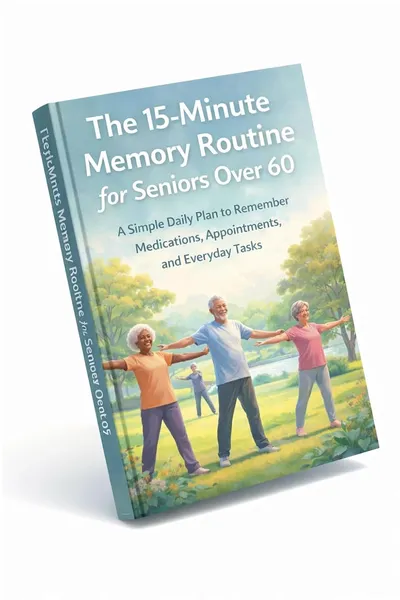
Protecting your brain is never about one jab. Memory stays sharper with regular use, and a short daily routine is one of the easiest habits to keep. Our review of the 15-Minute Memory Routine for Seniors walks through a simple daily plan you can start this week. For more everyday habits like sleep, movement and good food, our free Guide to Living 7 Years Longer brings them together in one place.
FAQ: the shingles vaccine, side effects and dementia
Does the shingles vaccine prevent dementia?
It has not been proven. Several large studies, including a natural experiment in Wales, found that people who had the shingles vaccine were less likely to be diagnosed with dementia, by around 20% in the Welsh study. That is a link, not proof, and the vaccine is approved only to prevent shingles.
Is the second shingles shot worse than the first?
Many people say so, but not everyone. Common side effects after either dose include a sore arm, tiredness, muscle aches, headache, shivering and a mild fever, and they usually pass within two to three days. Planning a quiet day after each dose makes it easier.
How far apart are the two Shingrix doses?
The two doses are usually given two to six months apart. Some people with a weakened immune system are offered a shorter gap, so ask your doctor or pharmacist what suits you.
Should I get the shingles shot if I already had shingles?
Health authorities such as the CDC generally say yes, because shingles can come back. You should wait until any current rash has fully healed, and your doctor or pharmacist can advise on timing.
Can I get the shingles shot and the flu shot on the same day?
Many people can, but side effects can add up. If you would rather feel less rough, ask your pharmacist whether to space them a week or two apart.
Sources: Eyting M, et al., “A natural experiment on the effect of herpes zoster vaccination on dementia,” Nature, 2025. The Guardian, “Demand for the shingles vaccine is soaring,” 11 October 2026. ScienceDaily, August 2026, report on Shingrix and dementia risk. US Centers for Disease Control and Prevention, Shingles (Herpes Zoster) vaccination information.
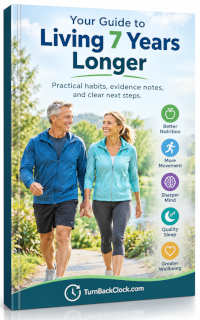
Get the Free Guide
Instantly receive Your Guide to Living 7 Years Longer — practical habits, evidence notes, and clear next steps. Soft mentions of our free longevity tools are inside. No miracle promises.
We’ll never share your email. You can unsubscribe anytime.
Disclaimer: TurnBackClock.com shares educational information for adults 50+. Nothing here is medical advice, a diagnosis, or a treatment plan. Please talk to your doctor or pharmacist about whether the shingles vaccine is right for you, and about timing it with any other vaccines or medicines.