
You’re not imagining it. If you’re in your 40s or 50s and feel like your body is aging faster than your birth certificate suggests — stiff joints, low energy, foggy thinking, poor sleep — there’s a good chance your biology agrees with you. Chronological age, the number of years you’ve been alive, is not the same as biological age, which reflects how well your cells, organs, and systems are actually functioning. Increasingly, researchers believe biological age is a far better predictor of how you’ll feel and how long you’ll live than the number on your driver’s license.
Chronological Age vs. Biological Age
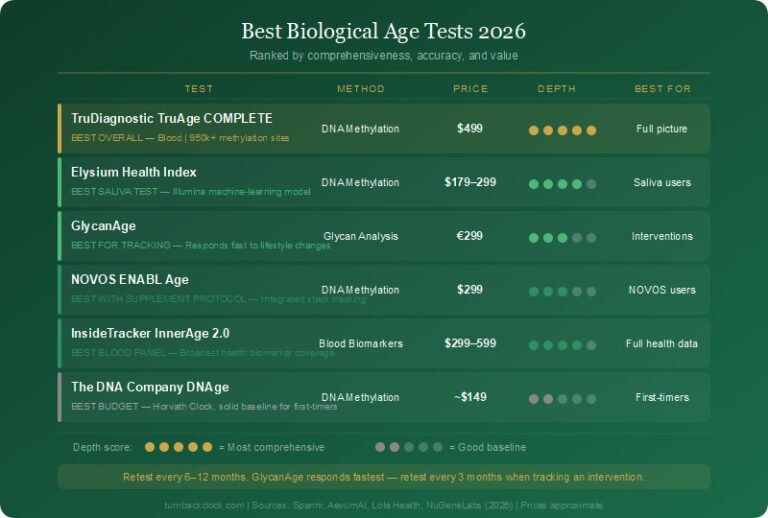
Two 50-year-olds can have wildly different biological ages depending on genetics, lifestyle, and health history. One might have the cardiovascular fitness and metabolic markers of a 40-year-old, while another might biologically resemble someone in their early 60s. This gap explains why some people feel remarkably vital well into their 70s, while others feel “old” decades earlier than expected. Scientists now measure biological age using markers like inflammation levels, metabolic function, DNA methylation patterns, and physical performance — all of which can diverge significantly from chronological age.
Common Culprits Behind Feeling Older Than You Are
Chronic low-grade inflammation. Often called “inflammaging,” this persistent, low-level inflammatory state is one of the most consistent biological markers linked to accelerated aging. It’s driven by factors like poor diet, excess body fat, chronic stress, and inadequate sleep, and it contributes directly to fatigue, joint discomfort, and brain fog. If short or broken nights are part of the picture, see how much sleep adults over 50 need.
Declining mitochondrial function. Your cells’ ability to produce energy tends to decline with age, but the rate of that decline is heavily influenced by activity levels, diet, and sleep quality. Reduced cellular energy output is a major contributor to the pervasive tiredness many people attribute simply to “getting older.”
Poor sleep quality. Sleep is when the body performs much of its repair work. Chronic sleep disruption — common after 40 — impairs this repair process, compounding fatigue and accelerating markers of biological aging.
Sedentary lifestyle and muscle loss. Physical inactivity accelerates sarcopenia (age-related muscle loss), which in turn worsens metabolic health and energy levels, creating a cycle that can make the body feel older than its years. Want a quick baseline? Try our free 30-Second Chair Stand Test. Simple balance practice helps you feel steadier on your feet; see how often to practice balance exercises after 50.
Chronic stress. Sustained elevated cortisol has measurable effects on inflammation, blood sugar regulation, and even the length of telomeres — protective caps on our DNA associated with cellular aging.
Underlying health conditions. Undiagnosed issues like thyroid dysfunction, vitamin deficiencies (particularly B12, D, and iron), sleep apnea, or blood sugar dysregulation can all produce symptoms that mimic accelerated aging and are often correctable once identified.
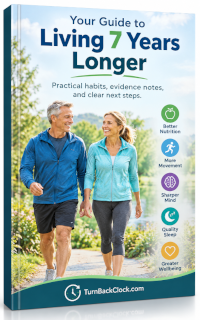
Get the Free Guide
Instantly receive Your Guide to Living 7 Years Longer — practical habits, evidence notes, and clear next steps. No miracle promises.
We’ll never share your email. You can unsubscribe anytime.
The Encouraging Part: Biological Age Is Not Fixed
Unlike chronological age, biological age is dynamic — it can move in either direction depending on how you live. Research on lifestyle interventions has shown that improvements in diet, exercise, sleep, and stress management can measurably shift biological aging markers, sometimes within months. This is one of the most important findings in modern longevity science: the trajectory of aging is not entirely predetermined, and meaningful change remains possible at nearly any age.
Understanding Where You Actually Stand
If you’ve been feeling older than your age, the first useful step isn’t guessing — it’s getting a clearer picture of what’s actually happening inside your body. Tools designed to estimate biological age based on lifestyle factors, symptoms, and health markers can offer valuable insight into which systems may be aging faster than expected, and which habits are likely contributing.
The biological age calculator is designed to help you do exactly that — offering a personalized snapshot of how your current habits and health patterns may be influencing your biological age, so you can identify where the greatest opportunities for improvement lie.
Feeling older than your age isn’t something to simply accept as inevitable. In many cases, it’s a signal — one that, once understood, can be addressed through targeted, achievable changes to how you live.