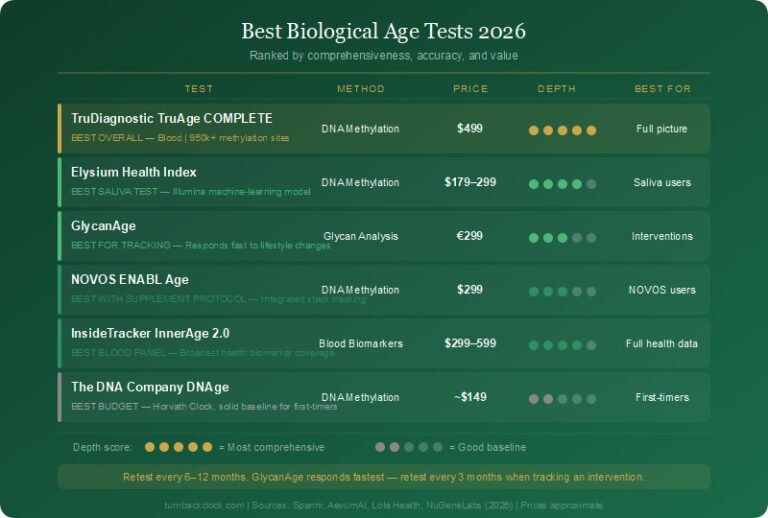

Biological age — a measure of how well your cells and systems are actually functioning, as opposed to how many years you’ve been alive — is one of the most useful concepts in modern longevity science. Unlike your birthday, it isn’t fixed. Research increasingly shows that biological age can be lowered through consistent, evidence-based lifestyle changes, and doing so is closely linked to a longer, healthier life with fewer years spent managing chronic disease.
Move Your Body Regularly
Exercise is among the most well-studied interventions for slowing biological aging. Both aerobic exercise and resistance training have been shown to improve markers like cardiovascular fitness, insulin sensitivity, and mitochondrial function — the cellular machinery responsible for energy production. Resistance training in particular helps preserve muscle mass, which naturally declines with age and is closely tied to metabolic health and longevity outcomes. Aim for a mix of both: roughly 150 minutes of moderate aerobic activity per week, plus two to three strength sessions.
Prioritize Nutrient-Dense, Whole Foods
Diets rich in vegetables, fruits, legumes, whole grains, and healthy fats — similar to the Mediterranean dietary pattern — are consistently associated with lower rates of chronic disease and favorable biological aging markers. These foods provide fiber, polyphenols, and antioxidants that help reduce chronic inflammation, one of the primary drivers of accelerated aging. Minimizing ultra-processed foods and added sugar, meanwhile, helps protect against the metabolic dysfunction that tends to speed biological aging.
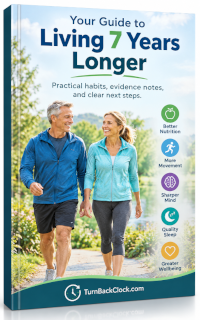
Get the Free Guide
Instantly receive Your Guide to Living 7 Years Longer — practical habits, evidence notes, and clear next steps. No miracle promises.
We’ll never share your email. You can unsubscribe anytime.
Protect Your Sleep
Sleep is not downtime — it’s active maintenance. During deep sleep, the body repairs tissue, consolidates memory, and regulates hormones critical to metabolic and cardiovascular health. Chronic sleep deprivation has been linked in research to increased inflammation, impaired glucose metabolism, and accelerated cellular aging markers. Prioritizing seven to nine hours of consistent, quality sleep is one of the most impactful — and most overlooked — levers for lowering biological age.
Manage Chronic Stress
Persistent stress keeps cortisol elevated, which over time contributes to inflammation, disrupted blood sugar regulation, and even shortened telomeres, the protective caps on chromosomes associated with cellular aging. Practices like mindfulness meditation, regular physical activity, time in nature, and strong social connections have all been shown to help regulate the body’s stress response and may help slow biologically measurable aging.
Don’t Underestimate Social Connection
Strong social ties are associated with lower inflammation, better mental health, and increased longevity in numerous large-scale studies. Isolation, by contrast, is linked to worse health outcomes comparable in magnitude to established risk factors like smoking. Investing time in relationships isn’t just good for your mood — it’s a measurable contributor to healthy aging.
Avoid Known Accelerants
Smoking, excessive alcohol consumption, and chronic sun damage are among the most well-established accelerants of biological aging, contributing to oxidative stress, inflammation, and cellular damage that compound over time. Reducing or eliminating these exposures is one of the most direct ways to protect your biological age.
Consider Regular Health Monitoring
Routine checkups and bloodwork can catch underlying issues — such as blood sugar dysregulation, vitamin deficiencies, or thyroid dysfunction — that quietly accelerate biological aging if left unaddressed. Addressing these issues early often yields significant improvements in both how you feel and how your body ages over time.
Because biological age responds to lifestyle changes, tracking it over time can be a powerful way to see whether your efforts are working — and where to focus next. The biological age calculator offers a personalized way to estimate where you currently stand and identify which habits may be having the greatest impact on your aging trajectory, giving you a practical starting point for meaningful change.
Lowering your biological age isn’t about chasing perfection — it’s about stacking consistent, sustainable habits that compound over years. The science is clear: how you live meaningfully shapes how you age, and it’s never too late to start moving that number in the right direction.