Short answer: if you’ve noticed stairs getting harder after 70, whether it’s subway steps, a walk-up, or just the few at home, you’re not imagining it. The good news is that you don’t need an expensive gym to rebuild leg strength. A sturdy chair, a light resistance band, free senior classes, and a check-up for treatable causes (thyroid, anemia, medicines, pain) add up to a practical, low-cost plan. This is general education, not personal medical advice.
Why climbing gets tougher in your 70s
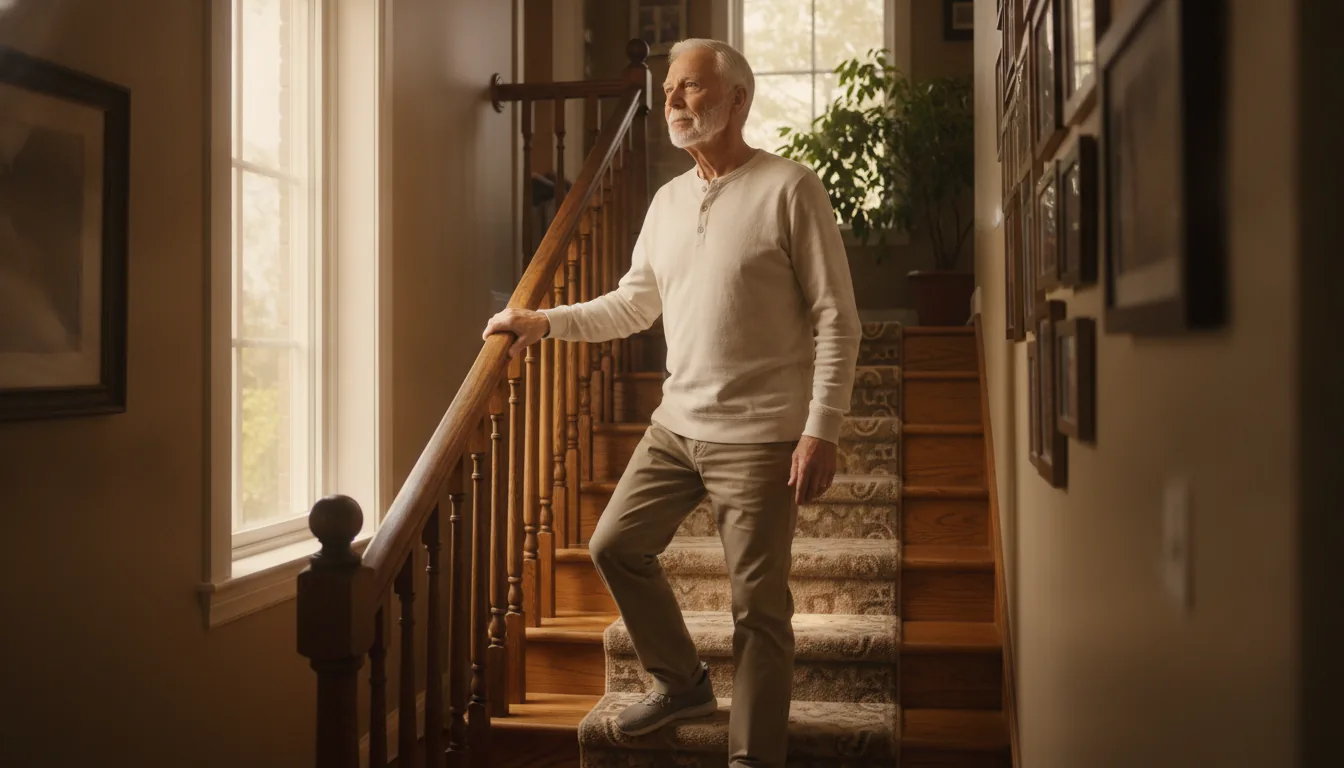
Going up a flight calls on several things at once: strong thighs and hips, steady balance, enough stamina that one flight doesn’t leave you winded, and joints that bend without sharp pain. By our 70s, many of us have quietly lost muscle simply from using our legs less (researchers call this sarcopenia), while still managing fine on flat ground. Steps are often where that gap shows up first.
That can be unsettling, especially if you live with subway stairs or a walk-up, and even more so on a tight budget. Here’s the hopeful part: strength training is one of the best-supported ways for older adults to make standing up, walking, and climbing feel easier again. The National Institute on Aging notes that stronger leg and hip muscles help with everyday tasks like getting out of a chair and going up stairs, and that resistance bands are a beginner-friendly option. The CDC’s STEADI program uses simple checks, such as the 30-second chair stand and the 4-stage balance test, to spot who might benefit from extra strength and balance work.
Get the Free Guide
Instantly receive Your Guide to Living 7 Years Longer — practical habits, evidence notes, and clear next steps. No miracle promises.
We’ll never share your email. You can unsubscribe anytime.
First: rule out a treatable medical cause
Before you put it down to “just age,” ask your clinician for a basic work-up if climbing got much harder over a few weeks or months, or if you also have new fatigue, breathlessness, dizziness, chest discomfort, unexplained weight change, or severe pain. Common treatable culprits include thyroid imbalance, anemia, medication side effects, poorly controlled pain, and lost fitness after an illness. A Medicare Annual Wellness Visit or similar check-up is a good place to raise it, and to ask whether physical therapy is covered for you.
Know your starting point (free home tests)
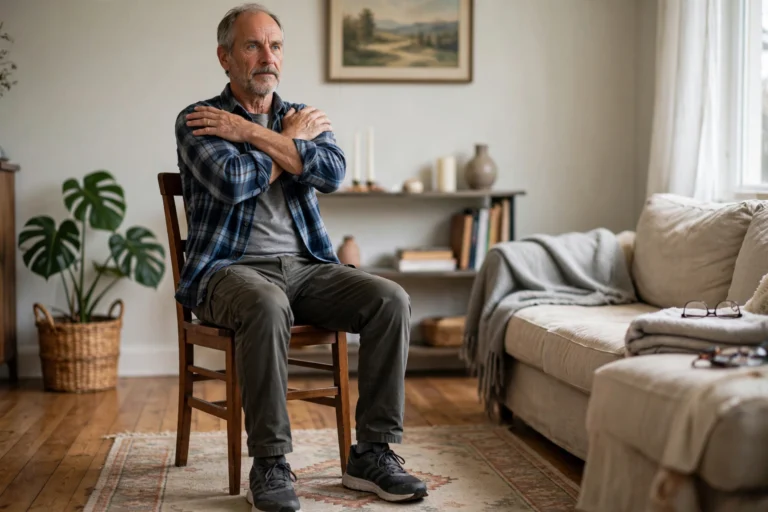
- 30-Second Chair Stand Test — how many times you can stand up from a chair in 30 seconds; the CDC publishes reference ranges by age.
- 4-Stage Balance Test — four standing positions used in STEADI screening.
- Home strength and balance tests hub — both checks in one place.
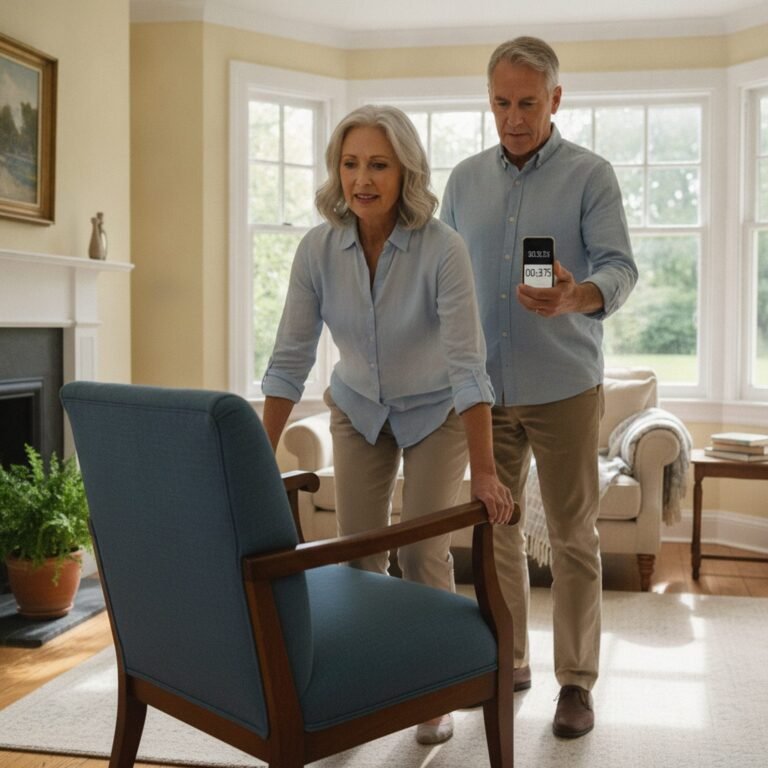
Use a sturdy chair, clear the floor, and keep a counter or another person close by if you feel unsteady. Stop and get medical help if you have chest pain, severe dizziness, or unusual shortness of breath.
A free, at-home stair-strength starter plan
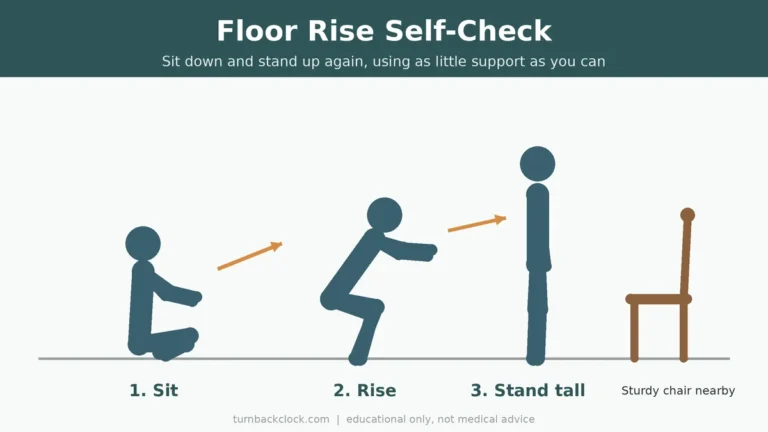
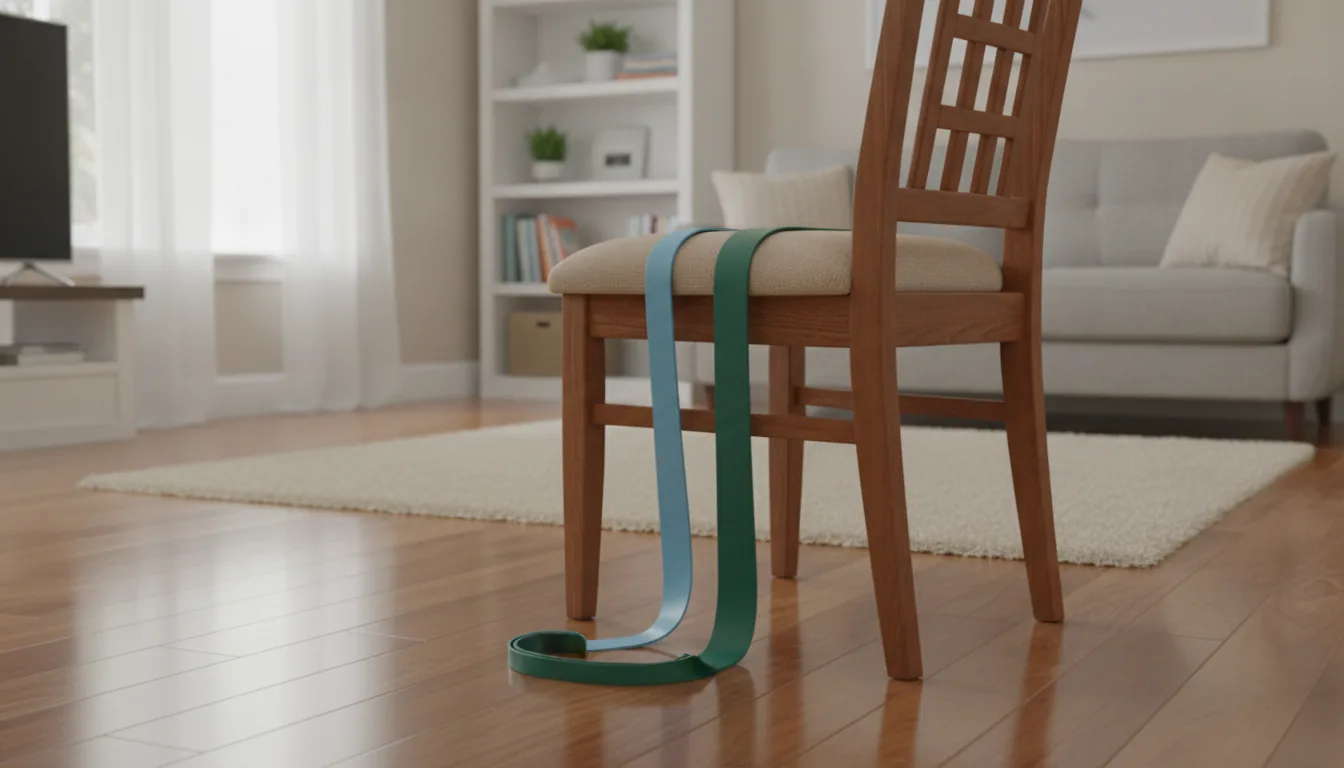
The goal: two short strength sessions a week on non-consecutive days, plus a walk on most days you can manage. Keep each session to about 15–20 minutes. Move slowly, keep breathing, and focus on good form rather than pushing hard.
- Sit-to-stand (chair squats) — 2 sets of 6–10 slow stands from a firm chair. Use your hands only if you need to, and try to lean on them less as the weeks go by.
- Heel raises — holding a counter, rise onto your toes 8–12 times; do 2 sets.
- Supported mini-squats or band row — loop a light band around your thighs for sit-to-stands, or do seated band rows to help upper-back posture. Start with the easiest band and move up only when 10–15 reps feel steady (NIA strength guidance).
- Step practice safely — on the bottom step only, holding the rail: step up with one foot, step down, and repeat 5–8 times on each side. If your balance feels shaky, skip this and get comfortable with chair stands first.
A basic resistance band often costs less than a takeaway meal. Many libraries, senior centers, YMCAs, and community programs lend equipment or run free or low-cost classes, so it’s worth asking locally before buying anything fancy.
Free and low-cost help outside your living room
- Senior centers and libraries — chair exercise, walking clubs, and sometimes Tai Chi.
- Evidence-based community programs — the CDC’s STEADI guidance points clinicians to strength and balance programs for people whose walking, strength, or balance needs work.
- Physical therapy — ask whether a short course is covered; a therapist can tailor stair practice and home exercises to you.
- YouTube chair workouts — helpful if you choose gentle channels made for older adults and keep something sturdy within reach.
Build walking stamina without a gym membership
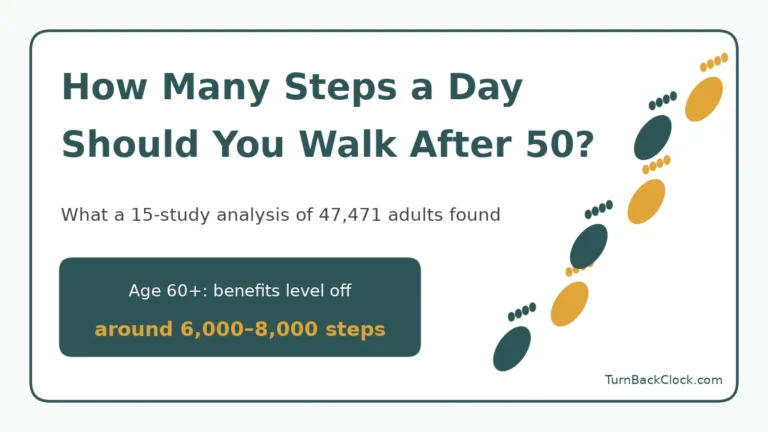
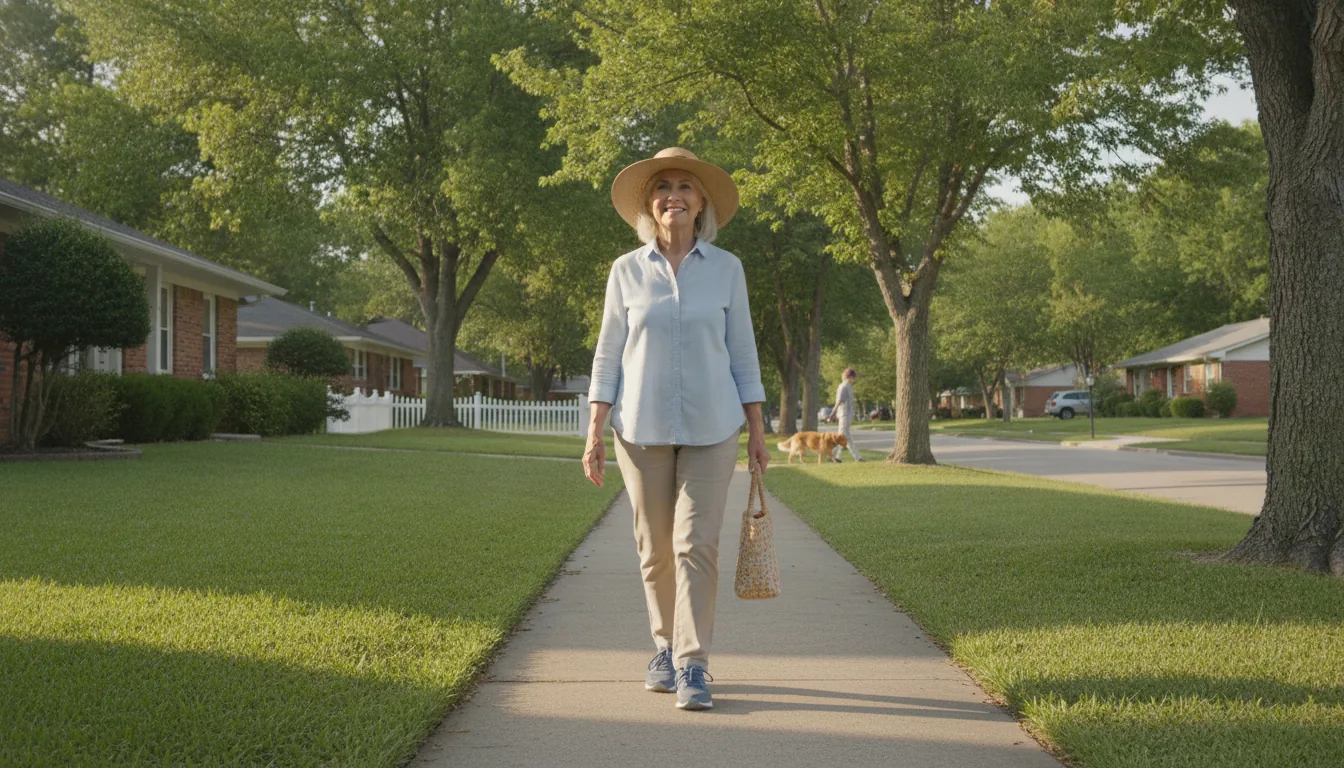
Walking on flat ground still builds the stamina that climbing demands. Start with a distance you can finish without feeling wiped out the next day (even 5–10 minutes is fine) and add a few minutes each week. Mall walking, outdoor loops with benches, and indoor tracks are all better than pushing through pain. Our guides on how many steps a day after 50 and how to regain muscular strength after 50 offer more background if you’d like it.
Track sleep, steps, and movement streaks for free with the Health Habits Tracker. For a broader lifestyle snapshot, try the Longevity Score Calculator.
If jars and shopping bags are getting harder too, see our guide to grip strength after 70 for simple hand and balance habits.
When to pause and call a clinician
- Chest pain, pressure, or unusual breathlessness after just a few steps
- New dizziness, fainting, or a near-fall on stairs
- Sudden weakness on one side, severe new back or hip pain, or a recent injury
- Climbing still feels harder after a few weeks of gentle practice — worth a re-check
FAQ: stairs getting harder after 70
Is this just normal aging?
Some loss of muscle and stamina is common, but a sharp change deserves a medical look. Many people improve stair ease with progressive strength work and by treating medical contributors.
Do I need a gym?
No. A chair, a rail, and optionally a light band cover a strong starter plan. Classes help when they are free or cheap and supervised.
How soon might stairs feel easier?
It varies. Give consistent twice-weekly strength work 4–8 weeks before judging, unless symptoms say stop sooner and get checked.
Disclaimer: TurnBackClock.com shares educational information for adults 50+. Nothing here is medical advice, a diagnosis, or a treatment plan. Talk with a qualified clinician about personal symptoms, exercise clearance, and physical therapy options.