
If you’ve noticed your energy isn’t what it used to be — afternoon slumps hit harder, mornings feel heavier, and workouts that once energized you now leave you drained — you’re experiencing something extremely common after 50. The good news is that much of this decline isn’t inevitable. While some changes in energy are tied to normal aging, a significant portion is influenced by modifiable factors that respond well to targeted changes.
Why Energy Naturally Shifts After 50
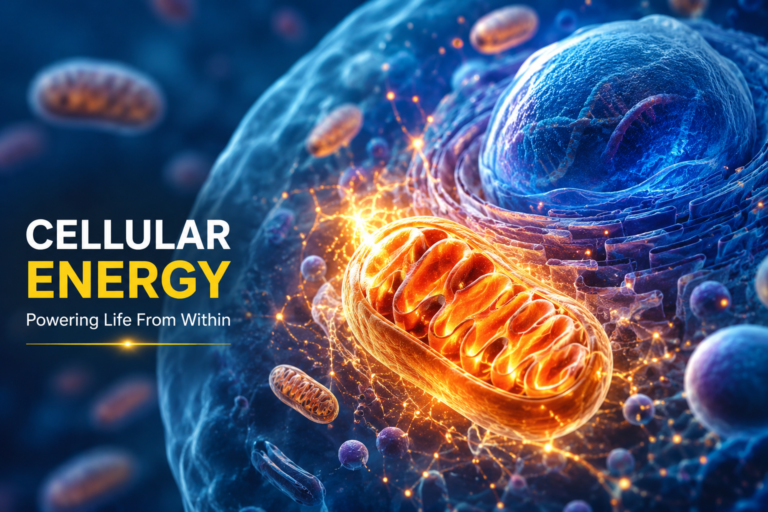
Several biological changes converge in this decade. Mitochondria — the structures inside cells responsible for producing energy — become somewhat less efficient with age, meaning your body generates less usable energy from the same amount of food and oxygen. Hormone levels, including testosterone, estrogen, and thyroid hormones, shift, all of which influence metabolism and vitality. Muscle mass also naturally declines without intervention, and since muscle is metabolically active tissue, less of it can mean lower baseline energy expenditure and a greater sense of physical fatigue.
None of this means fatigue after 50 is something you simply have to accept. Many of the biggest contributors to low energy are addressable.
Move More, Not Less
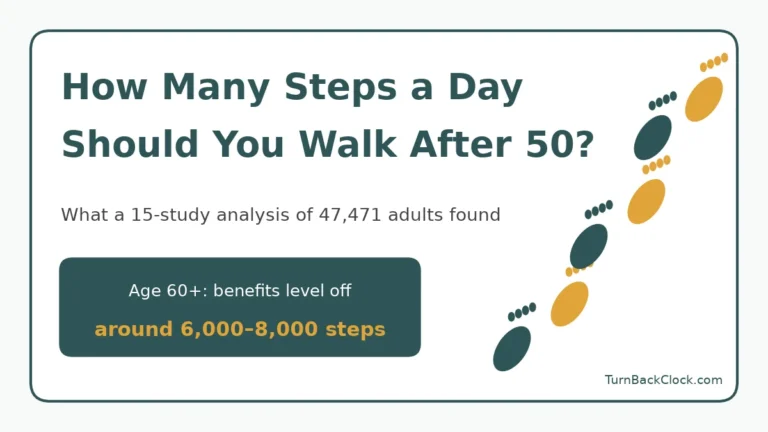
It seems counterintuitive, but physical inactivity is one of the most common causes of persistent fatigue. Regular exercise — particularly a combination of aerobic activity and resistance training — improves mitochondrial density and efficiency, meaning your cells literally become better at producing energy. Even modest amounts of movement, like a daily 20–30 minute walk, have been shown to reduce fatigue and improve mood in adults over 50. Strength training additionally helps preserve muscle mass, directly supporting metabolic energy production. Want a quick baseline for leg strength? Try our free 30-Second Chair Stand Test.

Get the Free Guide
Instantly receive Your Guide to Living 7 Years Longer — practical habits, evidence notes, and clear next steps. No miracle promises.
We’ll never share your email. You can unsubscribe anytime.
Fix the Sleep Foundation First
Sleep quality often changes after 50, becoming lighter and more fragmented — and poor sleep is one of the most direct causes of daytime fatigue. Prioritizing a consistent sleep schedule, limiting caffeine and alcohol in the evening, and getting morning sunlight to anchor your circadian rhythm can meaningfully improve both sleep quality and next-day energy. If loud snoring, gasping, or persistent exhaustion despite adequate sleep time are present, it’s worth discussing a sleep apnea evaluation with your doctor, since this common and often undiagnosed condition is a major hidden driver of fatigue.
Eat to Stabilize Energy, Not Spike It
Diets high in refined sugar and processed carbohydrates can cause blood sugar spikes followed by energy crashes. Building meals around protein, fiber, and healthy fats helps stabilize blood sugar and provides more sustained energy throughout the day. Staying adequately hydrated matters too — even mild dehydration is a well-documented contributor to fatigue and reduced cognitive function.
Rule Out Underlying Causes
Persistent, unexplained fatigue after 50 is worth discussing with a healthcare provider, since it can sometimes signal an underlying issue — thyroid dysfunction, anemia, vitamin B12 or D deficiency, and blood sugar irregularities are all common, correctable causes of low energy that become more prevalent with age. Simple bloodwork can often identify these issues quickly.
Manage Stress and Protect Mental Energy
Chronic stress keeps the body in a heightened state that is, quite literally, energy-consuming. Practices like mindfulness, time outdoors, and strong social connections have all been linked to improved energy levels and reduced fatigue, likely by lowering chronic stress hormone levels and supporting better sleep.
Get a Clearer Picture of Where You Stand
Because fatigue after 50 can stem from so many overlapping factors — sleep, activity, nutrition, stress, and underlying health conditions — understanding your own patterns is often the most useful first step. The Energy and Vitality Score calculator is designed to help with exactly that, offering a personalized assessment of your current energy levels and highlighting which lifestyle factors may be having the biggest impact, so you can focus your efforts where they’ll matter most. Other simple checks sit on our Free Health Tools page.
If you are also curious about NAD+-related supplements, our cautious overview of whether NMN helps energy, muscle, and sleep after 50 summarizes the early trial evidence without hype.
Low energy after 50 is common, but it isn’t something you have to simply live with. With the right adjustments, many people find they can meaningfully restore the vitality they thought was gone for good.