
Longevity science has produced no shortage of headlines about miracle supplements and cutting-edge interventions, but the most reliable, well-established path to healthy aging remains surprisingly consistent: a small set of daily habits, practiced regularly over years and decades. What matters most isn’t any single dramatic change — it’s the compounding effect of ordinary choices repeated consistently over time.
Move Your Body Every Day
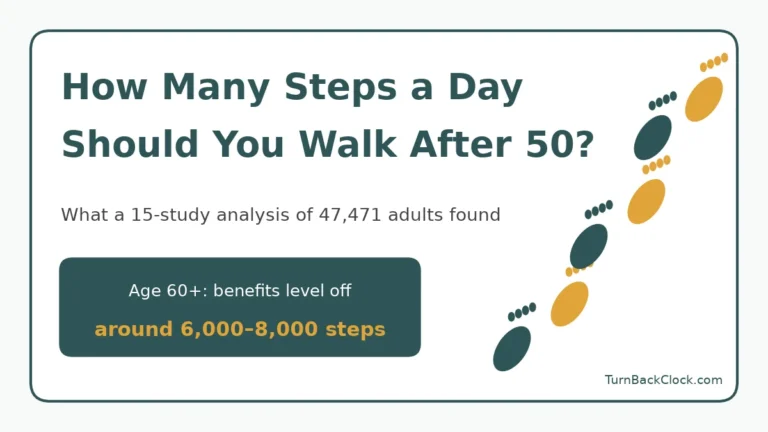
Regular physical activity is arguably the single most well-supported habit for healthy aging. It benefits nearly every system in the body — improving cardiovascular health, preserving muscle mass, supporting mitochondrial function, stabilizing blood sugar, and even protecting cognitive health. A combination of aerobic activity (walking, cycling, swimming) and resistance training tends to offer the broadest benefits, since each addresses different aspects of physical resilience. You don’t need extreme intensity — consistency matters far more than intensity for long-term outcomes. A simple leg-strength check is our free 30-Second Chair Stand Test. Balance work deserves a spot too; here is how often to practice balance exercises after 50.
Prioritize Whole, Nutrient-Dense Foods
Diets built around vegetables, fruits, legumes, whole grains, lean proteins, and healthy fats are consistently linked to lower rates of chronic disease and favorable markers of biological aging. This doesn’t require rigid restriction — it’s more about making minimally processed foods the default choice most of the time, while limiting added sugar and ultra-processed foods, which are associated with inflammation and metabolic dysfunction.
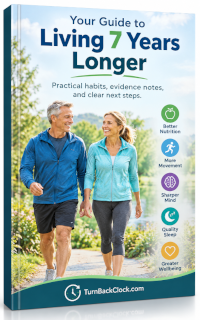
Get the Free Guide
Instantly receive Your Guide to Living 7 Years Longer — practical habits, evidence notes, and clear next steps. No miracle promises.
We’ll never share your email. You can unsubscribe anytime.
Protect Your Sleep Like It’s Non-Negotiable
Sleep is when the body carries out much of its repair, hormone regulation, and memory consolidation. Chronic sleep deprivation is linked to increased inflammation, impaired metabolic health, and accelerated markers of biological aging. A consistent sleep-wake schedule, a cool and dark bedroom, and limiting late caffeine and screen exposure are simple, evidence-backed ways to protect sleep quality.
Manage Stress Intentionally
Chronic stress keeps cortisol elevated, which over time contributes to inflammation, disrupted blood sugar regulation, and even shortened telomeres — the protective caps on DNA associated with cellular aging. Practices like mindfulness, deep breathing, time in nature, and regular movement all help regulate the body’s stress response, making stress management a genuine longevity habit rather than just a mental health nicety.
Stay Socially Connected
Strong social ties are associated with lower inflammation, better mental health, and greater longevity across numerous large studies, while chronic isolation carries health risks comparable to smoking. Prioritizing regular contact with friends and family, and participating in group activities or community involvement, is a habit that pays dividends for both emotional and physical health.
Keep Learning and Stay Mentally Engaged
Novel, mentally challenging activities help build cognitive reserve — a buffer that supports brain function even as age-related changes occur. Reading, learning new skills, and engaging in stimulating conversation all contribute to this reserve over time.
Don’t Skip Preventive Care
Regular checkups, screenings, and bloodwork help catch modifiable issues — like blood sugar irregularities, thyroid dysfunction, or nutrient deficiencies — before they become larger problems. Preventive care is a quieter habit compared to diet or exercise, but it’s just as important to long-term healthy aging.
Limit Known Accelerants
Smoking, excessive alcohol, and chronic sun damage are among the most well-documented contributors to accelerated biological aging through oxidative stress and cellular damage. Reducing these exposures is one of the most direct ways to protect long-term health.
The Habit That Ties It All Together: Consistency
None of these habits work in isolation, and none require perfection — what matters is showing up for them regularly enough that they become part of your baseline routine rather than occasional efforts. Small, sustainable actions repeated over months and years tend to outperform intense but short-lived changes. If you want a simple place to start, our Free Health Tools page gathers short checks you can do at home.
Turning Knowledge Into Daily Action
Knowing which habits matter is one thing — actually building and sustaining them is another. The habit tracker is designed to help bridge that gap, giving you a simple way to monitor your progress across the key pillars of healthy aging and stay accountable to the daily choices that add up to meaningful, long-term change.
Healthy aging isn’t about a single breakthrough habit — it’s about consistently practicing several foundational ones together, allowing their combined effects to compound over the years ahead.