Turning 50 often brings a new awareness of memory — misplaced keys or a forgotten name can suddenly feel more significant than they used to. While some cognitive changes are a normal part of aging, brain health is far more malleable than once believed.
If tip-of-the-tongue moments are the main worry, see our guide on forgetting words after 60: what is normal and when to get checked.
Neuroscience research over the past two decades has overturned the old assumption that the brain simply declines on a fixed schedule, revealing instead that lifestyle factors play a substantial role in cognitive resilience well into later life.
Understanding What Changes — and What Doesn’t Have To
Some cognitive shifts after 50 are typical: processing speed may slow slightly, and multitasking can become more effortful. But many core functions — including vocabulary, accumulated knowledge, and reasoning ability — often remain stable or even improve with age. The brain retains a property called neuroplasticity throughout life, meaning it continues forming new neural connections in response to learning and experience, even in older adulthood.
Move Your Body to Protect Your Mind

Few interventions have stronger evidence for brain health than regular aerobic exercise. Physical activity increases blood flow to the brain and stimulates the release of brain-derived neurotrophic factor (BDNF), a protein that supports the growth of new neurons and strengthens existing connections. Studies have linked regular aerobic exercise to a larger hippocampus — the brain region central to memory — in older adults. Aim for at least 150 minutes of moderate aerobic activity per week, and consider pairing it with resistance training, which has its own independent cognitive benefits.
Feed Your Brain Well
The brain is metabolically demanding, consuming a disproportionate share of the body’s energy despite its relatively small size. Diets rich in omega-3 fatty acids, antioxidants, and polyphenols — think fatty fish, leafy greens, berries, nuts, and olive oil — have been associated with slower cognitive decline in long-term studies. The Mediterranean and MIND diets, both built around these principles, are among the most researched dietary patterns for brain health specifically.
Prioritize Sleep as Brain Maintenance
During deep sleep, the brain activates a waste-clearance system known as the glymphatic system, which helps remove metabolic byproducts, including amyloid-beta, a protein implicated in cognitive decline. Chronic poor sleep has been linked in research to impaired memory consolidation and increased long-term cognitive risk, making sleep one of the most direct ways to support brain health after 50. Our guide on how to sleep better after 50 has practical steps.
Keep Learning and Stay Socially Engaged
Novel, mentally challenging activities — learning a language, an instrument, or a new skill — appear to build cognitive reserve, a kind of buffer that helps the brain function well even in the presence of age-related changes. Social connection matters just as much: numerous studies link strong social ties to slower cognitive decline, likely because meaningful interaction engages memory, language, and emotional processing simultaneously.

Manage the Modifiable Risk Factors
A landmark body of research has identified that a significant portion of dementia risk is linked to modifiable factors, including high blood pressure, hearing loss, smoking, physical inactivity, and diabetes. Managing cardiovascular health — through diet, exercise, and regular checkups — is inseparable from managing brain health, since the brain depends entirely on healthy blood flow.
Explore more free memory tools, games and guides in our Memory Hub.
A Fuller Picture of How You’re Aging
Brain health doesn’t exist in isolation — it’s deeply connected to cardiovascular fitness, metabolic health, and the same cellular processes that influence aging throughout the body. If you’re interested in seeing how your daily habits are translating into your body’s overall aging trajectory, the biological age calculator can offer useful insight into where you’re starting from and what’s working in your favor.
The brain you have at 50 is not fixed — it’s shaped continuously by how you move, eat, sleep, and engage with the world. Small, consistent habits built now can meaningfully influence cognitive vitality for decades to come.
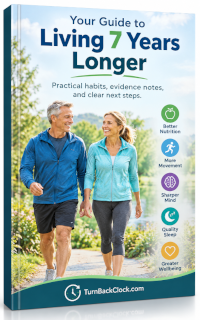
Get the Free Guide
Instantly receive Your Guide to Living 7 Years Longer — practical habits, evidence notes, and clear next steps. No miracle promises.
We’ll never share your email. You can unsubscribe anytime.