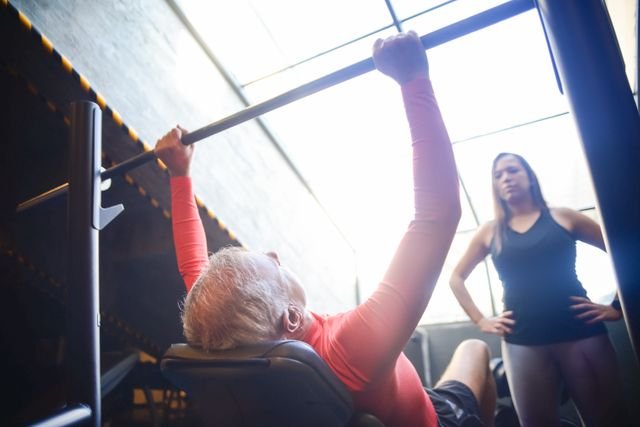
Muscle loss doesn’t happen overnight, but it is one of the most predictable parts of aging. Starting around age 30, most people lose roughly 3–8% of their muscle mass per decade, and that rate accelerates after 50. This process, known as sarcopenia, affects far more than how you look — it influences balance, metabolism, bone density, and how independently you can move through daily life.
The good news: muscle is remarkably responsive tissue at any age, and strength lost over years can often be rebuilt with the right approach.
Why Muscle Declines After 50
Several biological shifts converge in this decade. Hormone levels — including testosterone, estrogen, and growth hormone — decline, reducing the body’s natural signal to build and maintain muscle tissue. Motor neurons, which activate muscle fibers, become less efficient. And many people simply become less active, creating a feedback loop where reduced use accelerates loss.
Chronic low-grade inflammation, common with age, can also interfere with the body’s ability to repair and grow muscle tissue after exercise.
Resistance Training Is Non-Negotiable
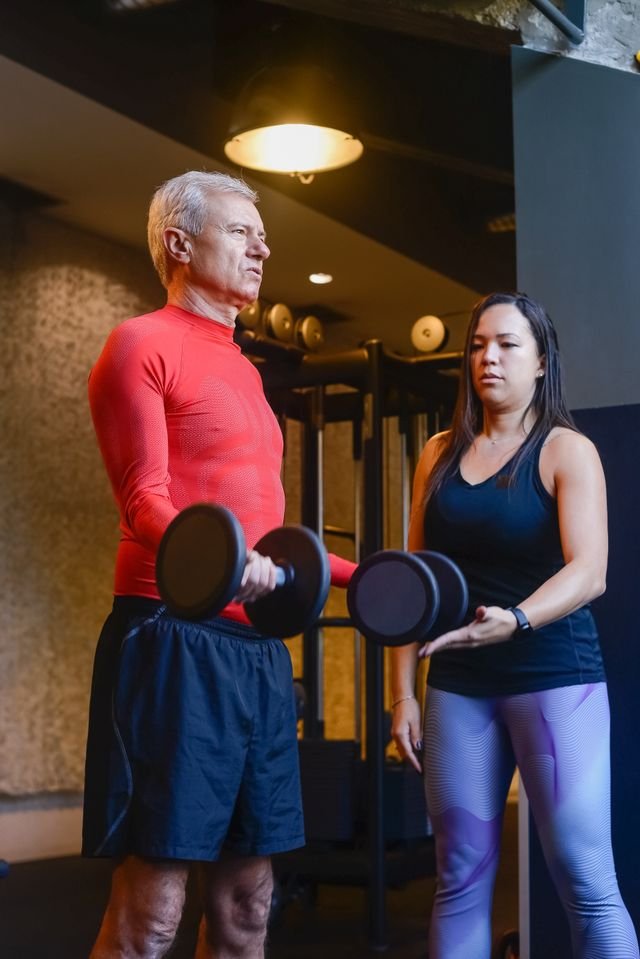
Of everything you can do, progressive resistance training has the strongest evidence behind it. This means lifting weights, using resistance bands, or performing bodyweight exercises with enough intensity to challenge your muscles — and gradually increasing that challenge over time.
Research consistently shows that adults in their 60s, 70s, and even 80s can build meaningful strength and muscle mass through structured resistance training. Aim for at least two to three sessions per week, targeting all major muscle groups. Compound movements — squats, rows, presses, and deadlift variations — tend to deliver the most benefit per minute spent, since they engage multiple muscle groups simultaneously and support the coordination needed for everyday movement.
If you’re new to strength training or returning after a long break, working with a physical therapist or qualified trainer for the first few weeks can help you learn proper form and avoid injury.
Protein Intake Matters More Than It Used To
As we age, the body becomes less efficient at using dietary protein to build muscle — a phenomenon researchers call “anabolic resistance.” This means older adults often need more protein per meal than younger adults to trigger the same muscle-building response. Distributing protein intake across meals, rather than concentrating it at dinner, appears to support this process more effectively. Good sources include lean meats, fish, eggs, dairy, legumes, and tofu.
Don’t Underestimate Recovery
Muscle is built during recovery, not just during exercise. Adequate sleep, rest days between intense sessions, and managing stress all play a role in how effectively your body repairs and strengthens tissue after training. Older adults may need slightly longer recovery windows between hard sessions compared to younger lifters — listening to your body’s signals of fatigue and soreness is important.
Stay Consistent, Not Perfect
The biggest predictor of strength regained after 50 isn’t intensity — it’s consistency over months and years. Strength training is not a short-term fix; it’s a long-term investment that pays dividends in mobility, independence, and metabolic health well into later decades.
Track More Than the Scale
Muscle strength is one visible marker of how well your body is aging — but it’s just one piece of a much larger picture that includes cardiovascular fitness, metabolic health, and cellular resilience.
If you’re curious about how your body’s overall aging trajectory compares to your actual age, tools like the biological age calculator can offer a broader snapshot, helping you see where strength training and other lifestyle changes are moving the needle — and where there’s still room to improve.
Regaining strength after 50 isn’t about chasing what your body could do at 25. It’s about building the strongest, most capable version of yourself today, with the years ahead in mind.