“Here it is, just days shy of my 66th birthday and they are back with a vengeance.” That is how one woman opened a conversation that quickly filled with replies from women aged 63 to 73. If you are dealing with hot flashes after 60, you are far from alone, and the question that usually follows, “Is it too late for HRT?”, deserves a calmer, clearer answer than most of us get in a rushed appointment.

This is not medical advice. It is a plain-language walk through what women in their sixties and seventies are asking, what the well-known research actually says, and the questions worth taking to your own doctor.
“Do hot flashes ever end?” What women over 60 are saying
Read through any thread on this and the same feelings come up. “I feel like I stink, and I am so uncomfortable.” “I’m 72, mom is 92 and we both still get hot flashes.” “I’m 69 and my gyno said I am not eligible for HRT. I still get them as well.” Another woman wrote that at 67 she started progesterone and an estrogen patch, and her flashes “were gone within two days.” Someone else was told by her doctor, “I can’t START after I turn 60.”
No wonder people are confused. Two women of almost the same age can hear opposite answers. Usually that is not because one doctor is wrong, but because the decision depends heavily on each woman’s own health picture.
Why the heat can linger, or come back years later
For a long time hot flashes were described as a short phase. Bigger studies changed that picture. The Study of Women’s Health Across the Nation (SWAN) found that symptoms often lasted seven years or more, and for some women well over a decade. A smaller group keeps having them into their late sixties and beyond.
When flushes return after a quiet spell, it is worth asking why. Things doctors often check include a new or changed medicine, thyroid changes, an infection, poor sleep or stress, and stopping hormone therapy. A sudden change in pattern, or sweats with weight loss or fever, is a reason to book a check-up rather than simply putting up with it.
Common triggers women mention
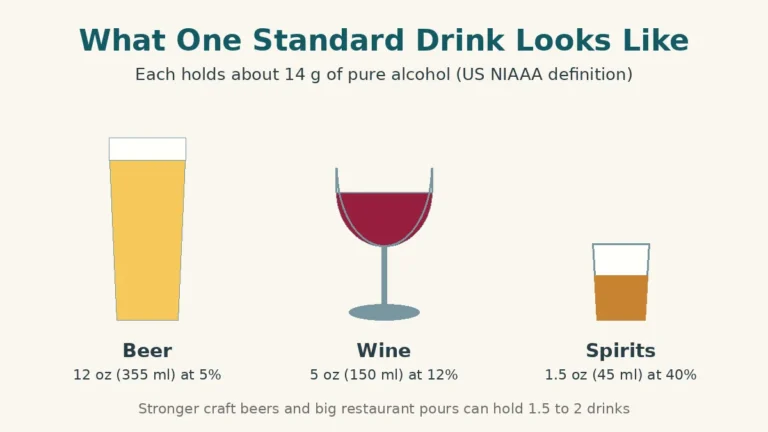
- Alcohol, especially red wine in the evening (“Alcohol and sugar do affect mine.”)
- Sugary snacks or a big, carb-heavy meal
- Hot drinks, spicy food and caffeine
- A warm bedroom or heavy bedding
- Stress, rushing or a sudden argument
- Smoking, and carrying extra weight around the middle
Keeping a simple note for two weeks, time, what you ate or drank, and how bad the flush was, often shows a pattern you can bring to your appointment.
The “before 60 or within 10 years” rule, explained
Much of today’s caution comes from the Women’s Health Initiative (WHI), a large study published in the early 2000s. Its first headlines worried many women off hormones for good. Later analyses of the same data noticed something important: the average woman in the trial was about 63 and many were well past menopause. Results looked different depending on when women started.
That led to what researchers call the timing hypothesis. Hormone therapy started closer to menopause seemed to carry less heart and stroke risk than therapy started many years later, when blood vessels may already have changed. The 2022 North American Menopause Society (now The Menopause Society) position statement puts it this way: for healthy women under 60, or within 10 years of their last period, the benefits for troublesome symptoms generally outweigh the health risk. Beyond that window, it says the balance is less favourable, and the decision needs more careful, individual weighing.
So “too late” is not a hard legal cut-off. It is a signal that starting later calls for a closer look at your heart, blood clot and breast history, and usually a lower dose and a careful choice of type.
Body-wide HRT vs local vaginal estrogen
These two get lumped together but they are quite different. Systemic (body-wide) hormone therapy, pills, skin patches, gels or sprays, is what helps hot flashes. Many doctors prefer patches or gels for older women because estrogen through the skin may carry a lower clot risk than tablets, though you should ask about your own case. Women who still have a uterus are usually also given a progestogen to protect the womb lining.
Local vaginal estrogen, creams, small tablets or a ring, is a low dose aimed at dryness, discomfort and some urinary problems. Very little reaches the bloodstream, so it does not usually calm hot flashes, but many guidelines treat it as a separate, gentler question, even for some women who cannot take the body-wide kind.
Who usually can’t take hormones
Doctors are usually cautious, or advise against systemic hormones, for women who have had breast cancer or certain other hormone-sensitive cancers, a past blood clot or stroke, heart disease, active liver disease, or unexplained vaginal bleeding. One woman in the thread said she “went off HRT due to increased breast cancer risk” and later went back on after discussing it again. That kind of back-and-forth is normal: the answer can change as your health changes.
If you would like a calm, practical overview of everyday habits that support healthy aging alongside whatever you decide, our free guide to living 7 years longer is a gentle place to start.
Non-hormone options to ask about
If hormones are not right for you, or you would rather not, there are other routes doctors may discuss. Please treat these as names to ask about, not a shopping list:
- Fezolinetant, a newer non-hormone tablet that works on a brain pathway involved in temperature control; it needs liver checks.
- Low-dose SSRIs or SNRIs, certain antidepressants used at small doses for flushes (some interact with other medicines, including tamoxifen).
- Gabapentin, sometimes used at bedtime for night sweats; it can cause drowsiness and dizziness, which matters for falls.
- Oxybutynin, occasionally used, though many doctors avoid it in older adults because of memory concerns.
- Cognitive behavioural therapy (CBT) and clinical hypnosis, both studied for making flushes less bothersome.
Cooling habits that many women find helpful
- Dress in thin layers you can peel off, and keep a cardigan rather than a heavy jumper.
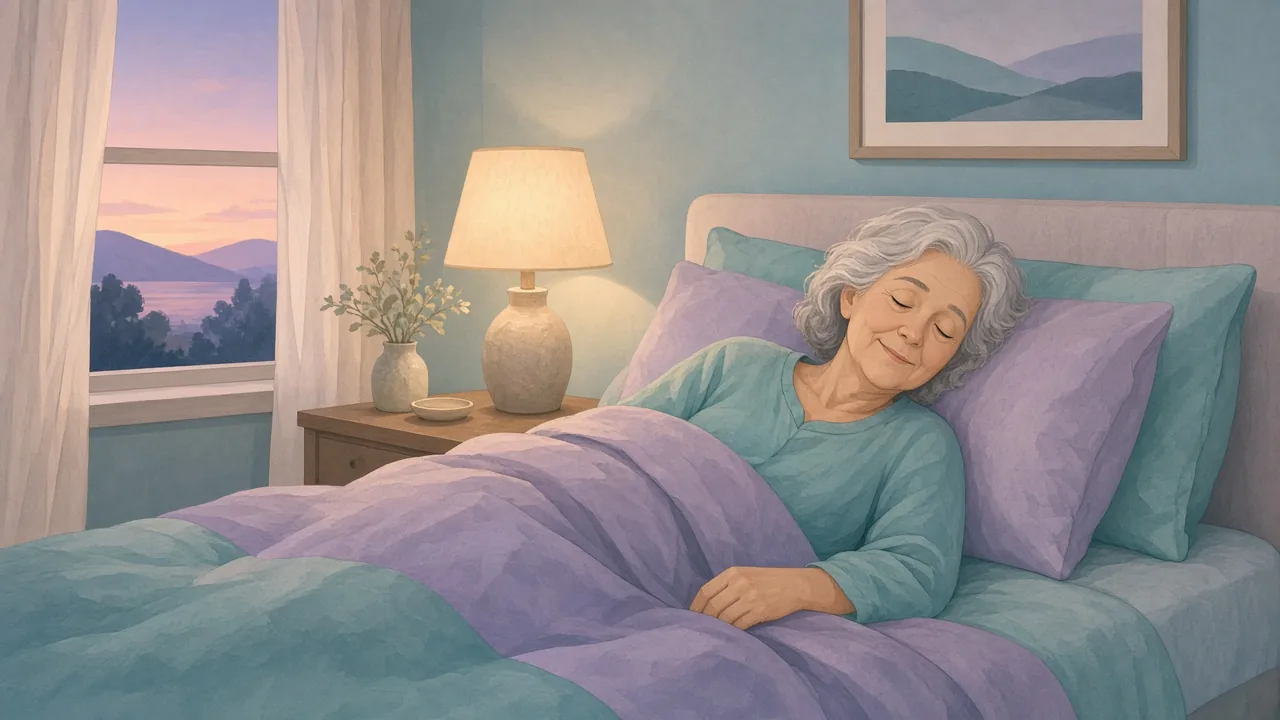
- Keep the bedroom cool, with a fan by the bed and light cotton or bamboo sheets.
- Keep a glass of cold water nearby and sip at the first sign of heat.
- Try slow, paced breathing, about six breaths a minute, when a flush starts.
- Notice your own triggers and cut back on the worst ones, often evening alcohol and sugar.
- Stay active: regular walking and strength work help sleep, mood and weight, even if they do not stop flushes on their own.
Questions to ask your doctor
- Could anything else, a medicine, my thyroid, an infection, be making these worse?
- Given my age and years since menopause, what are my personal benefits and health risks with hormone therapy?
- If I did try it, would a patch or gel be safer for me than a tablet? What dose, and for how long?
- Do I need a progestogen too?
- Would local vaginal estrogen help my other symptoms, and is it different for me?
- If hormones are not suitable, which non-hormone option would you consider, and what side effects should I watch for?
- How will we check whether it is working, and when should we review it?
Writing these down before your visit, and bringing your trigger notes, helps turn a hurried chat into a real conversation. And if you want more steady, no-hype ideas for this stage of life, you can grab our free longevity guide here.
Get the Free Guide
Instantly receive Your Guide to Living 7 Years Longer — practical habits, evidence notes, and clear next steps. Soft mentions of our free longevity tools are inside. No miracle promises.
We’ll never share your email. You can unsubscribe anytime.
Quick answers
Do hot flashes ever end?
For many women they fade within a few years of the last period, but large studies have found they can last ten years or longer, and some women in their sixties and seventies still notice them. A doctor can help check whether something else, such as a medicine, thyroid change or infection, is adding to them.
Is it too late to start HRT after 60?
Not automatically. Guidance such as the 2022 North American Menopause Society position statement says the balance of benefit and health risk tends to be most favourable when hormone therapy starts before age 60 or within 10 years of menopause. Starting later is a more individual decision that depends on your heart, clot, stroke and breast health, so it is a conversation for your own doctor.
Is vaginal estrogen the same as HRT?
Not quite. Low-dose vaginal estrogen works mainly on local tissues for dryness and urinary comfort. It does not usually help hot flashes, and very little reaches the rest of the body, so doctors often view it differently from body-wide pills, patches or gels.
Are there non-hormone treatments for hot flashes?
Yes. Doctors may discuss options such as fezolinetant, certain SSRI or SNRI antidepressants at low doses, gabapentin, or oxybutynin. Each has its own side effects and fit, so ask your doctor which, if any, suits you.
Disclaimer: TurnBackClock.com shares educational ideas for adults 50+. Nothing here is medical advice, diagnosis, or a treatment plan. Talk with your own doctor before starting, stopping or changing hormone therapy, medicines or supplements.