Of all the factors influencing how well we age, nutrition is one of the most consistently studied — and one of the most misunderstood. Fad diets come and go, but the research on longevity nutrition points to a smaller set of durable, well-supported principles that show up again and again across populations known for long, healthy lives.
Eat Mostly Plants, But Don’t Fear Whole Foods
Long-lived populations studied in places like Okinawa, Sardinia, and Ikaria — often referred to as “Blue Zones” — share a diet built primarily around vegetables, legumes, whole grains, nuts, and fruit, with meat and processed foods playing a minor role. This pattern isn’t about strict vegetarianism; it’s about prioritizing minimally processed, nutrient-dense foods most of the time. Diets rich in fiber and plant compounds called polyphenols have been linked to reduced inflammation, better gut microbiome health, and lower rates of chronic disease.
Prioritize Protein Quality and Quantity

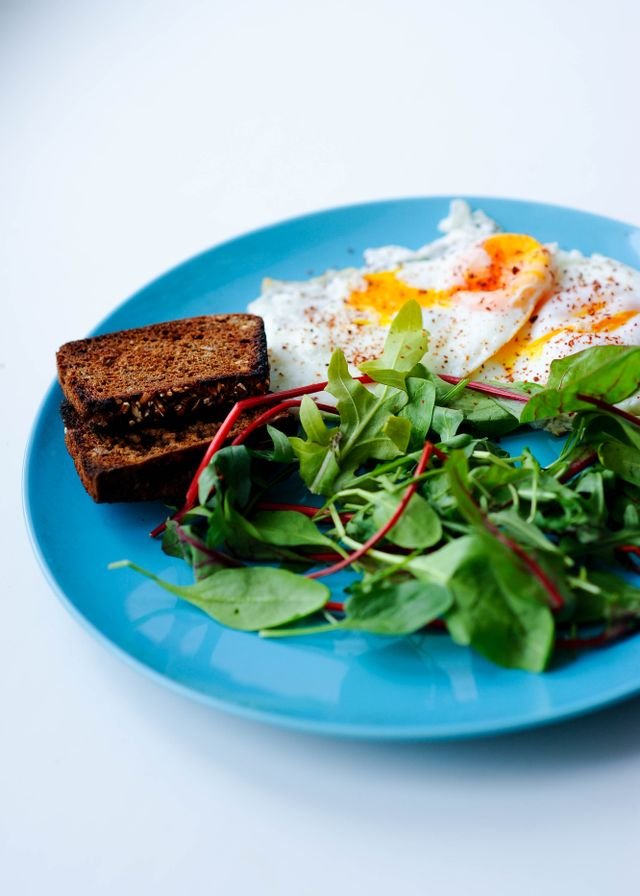
While plant-forward eating is foundational, adequate protein remains essential for longevity — particularly for preserving muscle mass, immune function, and metabolic health as we age. A mix of plant proteins (legumes, tofu, tempeh) and high-quality animal proteins (fish, eggs, lean meats) tends to serve most people well. As discussed in longevity research on muscle health, protein needs often increase somewhat with age rather than decrease.
Healthy Fats Over Fat Avoidance
The decades-long fear of dietary fat has given way to a more nuanced understanding: the type of fat matters far more than the total amount. Omega-3 fatty acids, found in fatty fish, walnuts, and flaxseed, are associated with reduced inflammation and better cardiovascular and brain health. Monounsaturated fats from olive oil, a staple of Mediterranean diets, are similarly linked to positive longevity outcomes. Highly processed seed oils and trans fats, by contrast, are associated with worse metabolic outcomes.
Mind the Sugar and Ultra-Processed Foods
Diets high in refined sugar and ultra-processed foods are consistently associated with higher rates of obesity, type 2 diabetes, and cardiovascular disease — all of which accelerate biological aging. This doesn’t mean occasional treats are harmful, but making whole, minimally processed foods the default rather than the exception has an outsized effect on long-term health.
Consider When You Eat, Not Just What
Emerging research on time-restricted eating and intermittent fasting suggests that eating patterns — not just food choices — may influence cellular repair processes like autophagy, insulin sensitivity, and metabolic flexibility. This doesn’t require extreme fasting protocols; even a consistent overnight fasting window of 12 hours or more has been associated with metabolic benefits in some studies. As always, individual needs vary, and anyone with a medical condition should consult a healthcare provider before changing eating patterns significantly.
Hydration and Micronutrients
It’s easy to focus on macronutrients and overlook hydration and micronutrient sufficiency, both of which decline in priority as we age but remain critical for energy, cognitive function, and cellular health. A varied, colorful diet naturally covers most micronutrient needs; persistent fatigue or other symptoms may warrant bloodwork to check for specific deficiencies.
Consistency Beats Perfection
No single food or diet is a magic bullet for longevity. What matters most is the overall pattern sustained over years and decades — small, consistent choices compound into significant differences in long-term health outcomes.
See How Your Habits Are Adding Up
Nutrition is one of the most powerful levers you have for influencing how your body ages at the cellular level — but it works alongside sleep, movement, and stress management to shape your overall trajectory. If you’re curious how these combined habits are reflected in your body’s biological age versus your actual age, the biological age calculator offers a helpful starting point for understanding where you stand today.
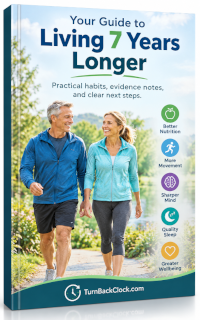
Get the Free Guide
Instantly receive Your Guide to Living 7 Years Longer — practical habits, evidence notes, and clear next steps. No miracle promises.
We’ll never share your email. You can unsubscribe anytime.